Altitude's Edge: Elevation Impacts on Multi-Sport Accumulator Construction
Freya Schmid · Jul 7, 2026

Altitude's Edge: Elevation Impacts on Multi-Sport Accumulator Construction
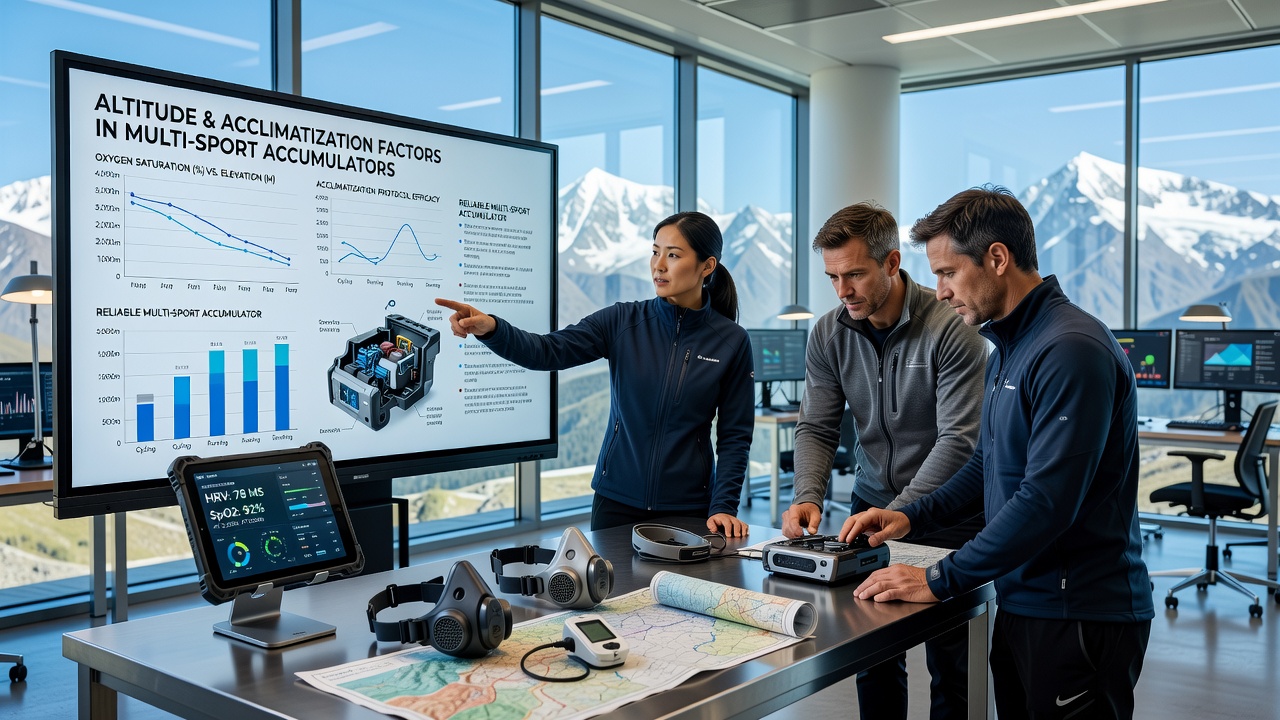
Altitude shapes athletic performance across multiple disciplines, and those who study these patterns know that elevation changes create measurable shifts in oxygen uptake, endurance thresholds, and recovery rates. Data from sports science laboratories indicate that venues situated above 1,500 meters above sea level trigger physiological responses that differ sharply from sea-level conditions, and these responses become critical when constructing multi-sport accumulators that combine football, tennis, and horse racing selections.
Physiological Responses at Elevation
Researchers at institutions such as the University of Colorado have documented how reduced partial pressure of oxygen forces the body to increase red blood cell production and alter breathing patterns within hours of arrival. Athletes who compete without sufficient acclimatization time experience elevated heart rates and reduced power output, while those who spend ten to fourteen days at altitude show improved buffering capacity and better lactate tolerance upon return to lower elevations. These adaptations follow predictable timelines, and analysts who track fixture schedules can identify matches where visiting teams arrive with minimal preparation time.
Football Matches in High-Altitude Venues
Stadiums in Mexico City, La Paz, and Quito sit between 2,200 and 3,600 meters, and match statistics compiled over multiple seasons reveal lower goal tallies and reduced sprint distances for non-acclimatized squads. Teams traveling from lowland regions record fewer successful passes in the final third during the opening thirty minutes, while home sides maintain higher work rates throughout the ninety minutes. Accumulator builders who combine selections from these venues with lower-elevation fixtures must weigh historical performance gaps rather than relying solely on league position or recent form.
Tennis and Surface Interactions at Elevation
Although fewer professional tennis tournaments occur at significant altitude, events in Bogotá and Johannesburg demonstrate how ball flight changes under reduced air density. Serves travel farther and faster, while groundstrokes gain additional bounce, and data collected by the International Tennis Federation shows that match durations shorten by an average of twelve percent when played above 1,800 meters. Players who compete regularly at these sites develop timing adjustments that visiting competitors often lack, creating value opportunities when accumulators link tennis outcomes with football results from similar elevations.
Horse Racing Form at Elevated Tracks
Tracks such as those in the American Rockies and certain South African courses operate at altitudes exceeding 1,500 meters, and performance records maintained by racing authorities indicate that horses with prior exposure to thin air post superior closing speeds in longer distances. Jockeys report that animals require additional warm-up laps to reach optimal oxygen saturation, and trainers who ship runners from coastal stables without gradual altitude exposure see measurable declines in final furlong times. When multi-sport accumulators incorporate horse racing legs alongside football or tennis selections, the timing of travel and recent workout locations becomes a quantifiable variable that influences probability estimates.
Acclimatization Timelines and Scheduling
Studies published by the Australian Institute of Sport outline a staged adaptation process where the first three days produce the most pronounced performance decrements, followed by partial recovery between days four and seven, and near-full adaptation after two weeks. Fixture congestion in July 2026 includes several South American qualifiers and North American summer tournaments scheduled at altitude, and teams with domestic schedules that already include high-elevation matches enter these competitions with measurable physiological advantages. Observers who cross-reference travel logs against match dates can isolate selections where one side possesses superior preparation.
Integrating Elevation Data into Accumulators
Successful construction of multi-sport accumulators requires layering altitude variables atop traditional metrics such as head-to-head records and current form. One approach involves filtering football selections to favor home sides that have spent at least eight days at elevation before combining them with tennis players who maintain seasonal schedules at comparable heights. Horse racing legs can then be added only when runners show documented workouts at similar elevations within the preceding fourteen days. This layered filtering reduces variance across the accumulator and aligns probability estimates more closely with observed physiological outcomes.
Monitoring Environmental Variables
Temperature drops and humidity shifts often accompany elevation changes, and combined effects on muscle function and hydration status appear in multiple peer-reviewed papers. Analysts who incorporate real-time weather feeds alongside altitude data produce more stable projections, especially when accumulators span different continents where seasonal conditions vary. The reality is that elevation never acts in isolation, and those who treat it as one input among many maintain more consistent results across varied sporting contexts.
Conclusion
Altitude and acclimatization represent measurable, documentable factors that influence outcomes in football, tennis, and horse racing. When these variables receive systematic attention during accumulator construction, selections reflect documented physiological patterns rather than surface-level statistics alone, and the resulting combinations demonstrate greater alignment with observed performance data across multiple disciplines.