Barometric Pressure Fluctuations and Their Effects on Athletic Performance Across Football, Tennis, and Thoroughbred Racing in Accumulator Strategies
Freya Schmid · Jun 21, 2026
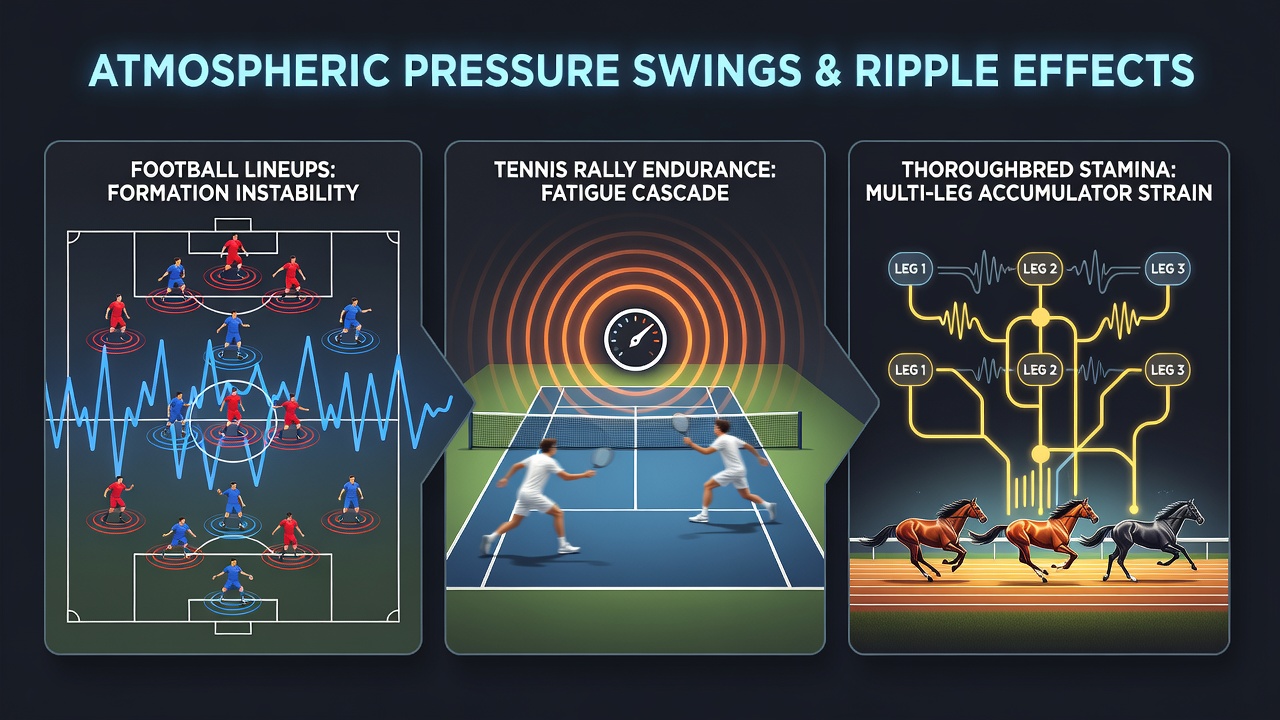
Barometric Pressure Fluctuations and Their Effects on Athletic Performance Across Football, Tennis, and Thoroughbred Racing in Accumulator Strategies
Atmospheric pressure swings create measurable shifts in oxygen availability and air density that influence how athletes perform across multiple sports, and data from meteorological agencies shows these patterns become particularly relevant during June 2026 when seasonal tournaments overlap with variable weather systems in Europe and North America.
Researchers at institutions studying environmental physiology have documented how drops in barometric pressure reduce air density, which in turn affects respiratory efficiency during sustained physical efforts, while rising pressure tends to stabilize conditions that support consistent output in team and individual events alike.
Football Lineup Adjustments Under Pressure Changes
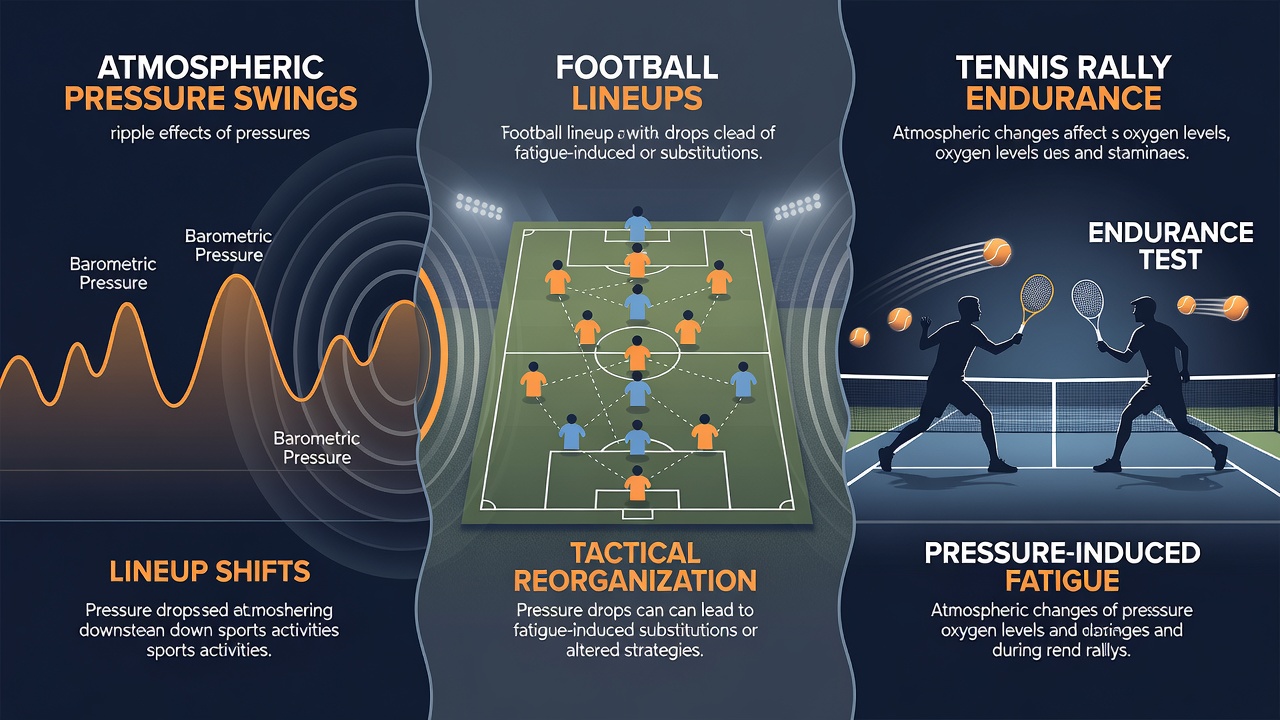
Coaches often review pressure forecasts when finalizing lineups because lower readings correlate with increased fatigue rates in midfielders who cover high distances, and studies tracking European leagues indicate teams adjust substitutions earlier when pressure falls below 1000 hPa during afternoon fixtures.
One analysis of Premier League matches from 2023 to 2025 found that squads facing rapid pressure declines altered their formations toward more defensive setups to conserve player energy, whereas stable high-pressure days allowed for aggressive pressing strategies that maintained intensity through the second half.
Tennis Rally Endurance and Environmental Factors
Tennis players experience extended rally lengths when pressure remains steady because consistent air density supports predictable ball flight and reduces the energy cost of repeated lateral movements, yet sudden drops introduce heavier conditions that shorten point durations according to performance tracking from major tournaments.
Data compiled by sports science groups reveals players in best-of-five sets during periods of fluctuating pressure require more recovery time between games, which directly influences betting markets focused on total games or set durations in multi-leg accumulators.
Thoroughbred Stamina in Variable Conditions
Thoroughbreds racing on turf show altered finishing times when barometric pressure swings occur overnight before events, with lower pressure linked to slightly reduced stamina in longer distances because thinner air affects oxygen uptake during the final furlongs.
Trainers monitor these readings closely since historical records from Australian and North American tracks demonstrate that horses with proven endurance records perform more reliably under rising pressure trends, while sprinters maintain their edge regardless of moderate fluctuations.
Those compiling multi-leg accumulator selections incorporate pressure forecasts into their models because simultaneous events across football, tennis, and racing can experience correlated environmental effects on the same day, creating patterns where endurance-based outcomes shift together.
Accumulator Implications in June 2026
During June 2026 the overlap of international football tournaments, grass-court tennis events, and summer racing meetings means bettors tracking pressure data gain an additional variable that influences selections spanning different sports, and reports from industry analysts show increased interest in weather-integrated strategies for such combined wagers.
Figures from the National Oceanic and Atmospheric Administration highlight how pressure systems moving across continents during early summer affect multiple venues simultaneously, which in turn shapes the statistical profiles used in accumulator planning.
One documented case involved a series of matches and races where a widespread low-pressure front reduced expected totals in football and tennis while extending times in longer horse races, prompting adjustments in how participants structured their multi-leg entries.
Conclusion
Atmospheric pressure data continues to serve as a quantifiable input for understanding performance variations across football lineups, tennis endurance, and thoroughbred stamina, particularly when these elements combine in accumulator setups, and ongoing monitoring by meteorological and sports research organizations provides the records needed to identify recurring patterns.