BHA Signals Openness to Direct Protests as Racing Battles Betting Affordability Checks
Freya Schmid · Apr 14, 2026

BHA Signals Openness to Direct Protests as Racing Battles Betting Affordability Checks
Turns out the British Horseracing Authority (BHA) isn't shying away from bolder tactics this time around, with chief executive Brant Dunshea openly discussing the potential for more direct protests against proposed government affordability checks on punters; these checks, set for a decision by the Gambling Commission next month, have already sparked widespread concern within the racing community, especially as they build on past successful campaigns like 'Axe the Racing Tax' that derailed a betting levy hike back in the day.
Observers note how the industry's heavyweights are rallying once more, this time through an open letter signed by over 400 racing figures and addressed directly to culture secretary Lisa Nandy, urging a rethink on measures that could upend the sport's financial footing amid bets already dropping £2bn since 2021.
The Rising Stakes of Affordability Checks
What's interesting here is the scale of these proposed checks, which data indicates could snare up to 120,000 regular gamblers required to submit personal documentation like bank statements or income proofs just to keep placing bets; figures reveal that such friction might push 44,000 of those punters straight toward black market operators, a shift that would cost the racing industry tens of millions in lost turnover at a time when the sport's already reeling from declining wagering volumes.
Experts who've tracked gambling regulations point out that the Gambling Commission, tasked with finalizing these rules in the coming weeks, aims to curb problem gambling by flagging high spenders, but racing stakeholders argue it hits recreational punters hardest, potentially stifling the lifeblood of tracks and bookmakers alike; take the numbers: since 2021, overall bets on British racing have tumbled by £2bn, and layering on these checks could accelerate that bleed, sending more action offshore where safeguards don't apply.
But here's the thing – those who've studied similar interventions elsewhere have seen how they drive activity underground, with black market sites offering no protections yet luring punters frustrated by red tape; in this case, the BHA warns that racing stands to lose big, not just in direct revenue but in the broader ecosystem that funds prize money, jobs, and rural economies tied to the tracks.
BHA Leadership Steps Up Under Brant Dunshea
Brant Dunshea, the BHA's chief executive, has taken a firm stance in recent statements, indicating the authority's readiness to escalate beyond letters and lobbying if needed, drawing parallels to earlier wins that kept the levy in check; under his guidance, the organization positions itself as the vanguard for an industry feeling squeezed by what it calls overly blunt regulatory tools.
People close to the matter describe Dunshea's approach as pragmatic yet defiant, emphasizing how previous protests – think mass demonstrations and media blitzes – forced government U-turns before, so why not leverage that playbook again as the April 2026 deadline looms; the BHA, representing trainers, owners, jockeys, and bookmakers, coordinates these efforts, signaling to members that direct action like rallies or trackside vigils remains on the table should talks falter.
It's noteworthy that Dunshea's comments come at a pivotal moment, with the Gambling Commission's verdict expected soon, giving the campaign a tight window to build momentum; those who've followed his tenure note how he's consistently championed racing's economic case, arguing that affordability checks ignore the sector's voluntary safeguards while punishing the 99% of punters who bet responsibly.
Echoes of the 'Axe the Racing Tax' Triumph
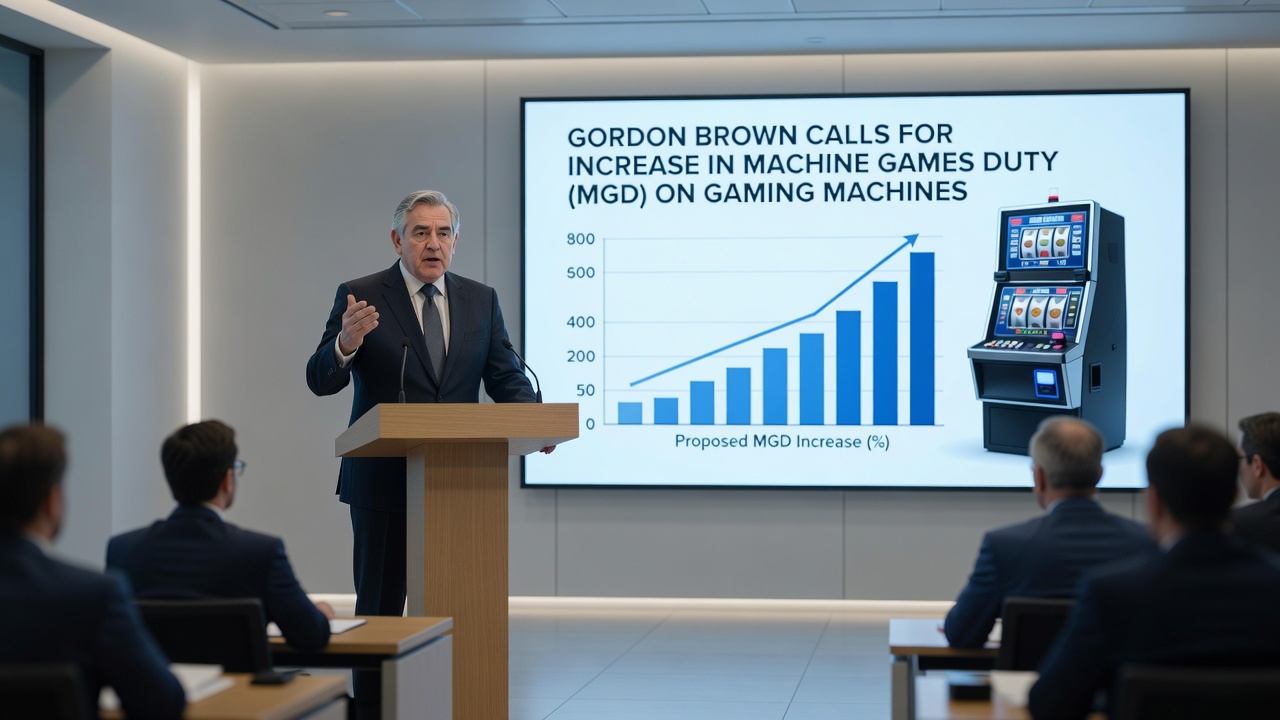
Now, rewind to the 'Axe the Racing Tax' campaign, which serves as the blueprint for today's push; back then, a united front of racing leaders flooded Whitehall with protests, ads, and public pressure that ultimately halted a proposed betting levy increase, preserving funds crucial for the sport's health and proving that collective action packs a punch.
That victory, observers recall, hinged on broad support from figures across the board – trainers like Nicky Henderson, owners such as the Jockey Club, and even punters' groups – much like the current open letter that's amassed over 400 signatures in short order; the parallels are striking, as both battles pit racing's vitality against fiscal policies that threaten its core revenue streams, with Dunshea explicitly nodding to that precedent as a green light for street-level demos if diplomacy stalls.
What's significant is how these past efforts reshaped policy without alienating regulators entirely, fostering a dialogue that led to compromises; in today's climate, with bets down sharply and black market risks looming, racing figures bet on repeating history, organizing town halls and social media drives to amplify the message before the Commission's ruling drops.
Projected Fallout: Numbers That Paint a Grim Picture
Data from industry analyses underscores the peril, projecting that 120,000 gamblers facing documentation hurdles could see 44,000 bolt to unregulated sites, slashing racing's turnover by tens of millions annually; couple that with the £2bn bet decline since 2021, and tracks face tighter margins for purses that attract top talent, while bookmakers grapple with thinner volumes on race days.
One study highlighted by stakeholders reveals how similar checks in other markets spiked illegal betting by double digits, a trend the BHA aims to preempt through heightened visibility; punters, many of whom wager modestly on favorites or each-way plays, often find these barriers baffling, especially when racing already polices its own with stake caps and self-exclusion tools.
And yet, as the open letter to Lisa Nandy lays out, the human element looms large – from stable staff reliant on betting income to families in racing heartlands where tracks anchor communities; by framing the checks as a blunt instrument that ignores nuance, signatories press for tailored rules that protect vulnerables without kneecapping the sport.
The Open Letter: A Unified Front Takes Shape
Over 400 racing luminaries – trainers, jockeys, executives, and more – have penned this missive to culture secretary Lisa Nandy, detailing how affordability checks risk irreparable harm; as reported in The Guardian, the letter calls out the potential for mass exodus to black markets and pleads for intervention before the Gambling Commission seals the deal next month.
Signatories span the spectrum, from veteran trainers who've navigated levy fights to young owners eyeing the sport's future, creating a chorus that's hard for policymakers to ignore; Nandy's department, overseeing gambling policy, now fields this direct appeal amid whispers of parliamentary debates, with racing's allies in Westminster ready to amplify if protests materialize.
But here's where it gets interesting: the letter doesn't just complain; it proposes alternatives like enhanced education campaigns and tech-driven monitoring that target high-risk behaviors without paperwork avalanches, showing the industry's willingness to collaborate while drawing a line on existential threats.
Broader Context in April 2026's Regulatory Landscape
In the thick of April 2026, as spring meetings like Cheltenham's aftermath still buzz, this campaign injects urgency into an already tense betting scene; with the Gambling Commission's decision imminent, BHA coordinators hustle to marshal support, from petition drives to potential London marches echoing the tax axe days.
Stakeholders monitor every signal from Westminster, knowing Nandy's response could tip the scales; meanwhile, bookies and tracks brace for scenarios where checks roll out piecemeal, testing appetite for offshore alternatives that promise frictionless punting.
People who've weathered past squeezes – levy threats, remote betting duty hikes – sense the writing's on the wall if unity falters, yet the open letter's momentum suggests racing's dug in for the long haul.
Looking Ahead: Racing's Next Moves
The ball's now in Lisa Nandy's court, with the BHA poised to pivot from pleas to pavement if affordability checks proceed unchecked; past triumphs like 'Axe the Racing Tax' offer hope that direct protests can sway outcomes, preserving a sport that's woven into Britain's fabric despite headwinds like declining bets and regulatory scrutiny.
Figures paint a stark choice: embrace checks and risk 44,000 punters fleeing to shadows, costing millions in turnover, or heed the 400+ voices urging smarter paths forward; as April 2026 unfolds, racing watches closely, ready to race to the barricades if needed, ensuring the gallop of bets doesn't grind to a halt.