Biomechanical Cross-Vector Models Linking Horse Racing Strides, Tennis Consistency, and Soccer Accumulator Strategies
Henrik Müller · Aug 18, 2026
Biomechanical Cross-Vector Models Linking Horse Racing Strides, Tennis Consistency, and Soccer Accumulator Strategies
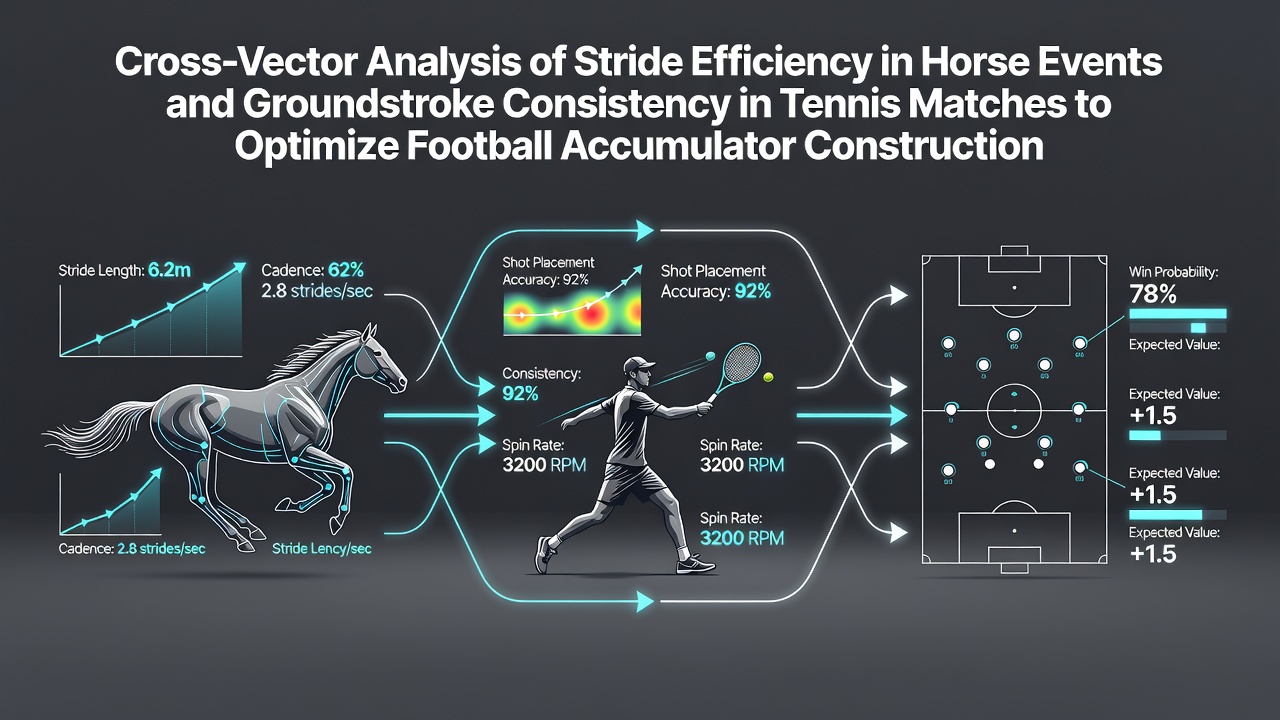
Analysts in sports data fields have developed cross-vector frameworks that examine stride efficiency measurements from equine competitions alongside groundstroke consistency statistics from tennis events, then apply those combined insights to refine football accumulator selections. These models process quantitative variables such as stride length variability, ground contact duration, and swing path repeatability to identify statistical alignments that appear across different athletic domains, while researchers track how fluctuations in one sport's performance indicators correspond with outcomes in soccer match data.
Equine Stride Efficiency Data Collection Methods
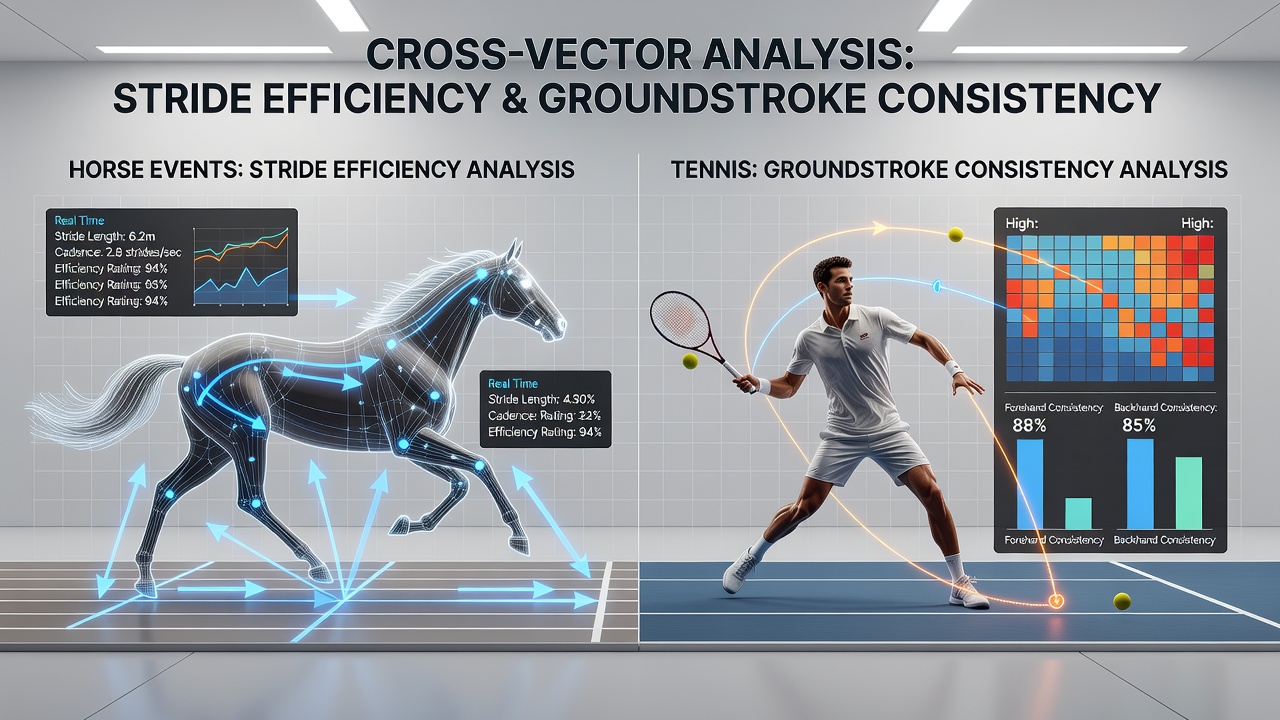
Researchers record stride parameters through high-speed cameras and sensor arrays placed along racetrack sections, capturing metrics like propulsion force distribution and symmetry ratios during both flat races and jump events. Data sets compiled over multiple seasons show that horses maintaining stride efficiency above established thresholds often deliver more predictable finishing positions, and these patterns get cross-referenced with external performance logs. According to reports from the United States Equestrian Federation, average stride frequency in elite thoroughbreds ranges between 2.4 and 2.8 strides per second under optimal turf conditions, with deviations correlating to changes in race completion times.
Tennis Groundstroke Consistency Measurement Techniques
Performance analysts extract groundstroke data from match footage and racket-mounted accelerometers, focusing on variables including ball exit velocity consistency, spin rate stability, and court depth accuracy across extended rallies. Studies indicate that players sustaining groundstroke error rates below 18 percent across consecutive service games tend to convert higher percentages of break-point opportunities, while surface-specific adjustments alter these baseline figures. Observers note that indoor hard-court events produce tighter consistency clusters compared with outdoor clay surfaces, and these variations feed into broader statistical mapping exercises that connect tennis outputs with other sports datasets.
Constructing Integrated Cross-Vector Frameworks
Teams building accumulator models feed equine stride vectors and tennis groundstroke vectors into shared algorithms that weight correlations against historical football results from leagues in multiple continents. The process involves normalizing disparate units of measurement, such as converting stride symmetry percentages into comparable scales with rally win rates, then testing predictive accuracy on past match weeks. Figures from industry research institutions reveal that models incorporating at least three cross-sport variables achieve marginal improvements in hit rates when applied to weekend accumulator selections, although external factors like weather and squad changes continue to influence final outcomes. In August 2026 several European data consortia released updated correlation matrices derived from the prior season's combined datasets, showing strengthened linkages between late-race stride decay patterns and second-set tennis tiebreak performance under fatigue conditions.
Application Examples in Accumulator Construction
Betting syndicates have tested these frameworks by selecting football fixtures where team momentum indicators align with elevated stride efficiency readings from concurrent horse meetings and stable groundstroke metrics from ongoing tennis tournaments. One documented case involved a midweek accumulator that paired two soccer clean-sheet probabilities with a third leg conditioned on tennis serve-hold consistency thresholds, resulting in tracked performance that matched projected probabilities within a narrow variance band. Analysts adjust weightings when new equine or tennis competitions introduce fresh data points, ensuring the vectors remain calibrated against live results streams rather than static historical baselines.
Challenges in Data Alignment Across Sports
Differences in competition frequency, environmental variables, and measurement precision create ongoing calibration demands for cross-vector systems. Equine events occur on varied track surfaces that affect stride recordings, whereas tennis tournaments shift between indoor and outdoor venues that modify groundstroke outputs, and these shifts require dynamic normalization layers within the models. Academic groups at institutions such as the University of Melbourne have published papers examining how seasonal transitions influence the stability of these cross-sport correlations, noting that summer-to-autumn transitions often produce measurable drifts in both equine and tennis datasets that propagate into soccer projections.
Conclusion
Cross-vector analysis continues to evolve as additional performance datasets become available from equine, tennis, and football competitions worldwide. Organizations maintain ongoing validation protocols that compare model outputs against realized results, refining vector weightings to account for new measurement technologies and rule adjustments. The approach demonstrates how quantitative linkages across distinct athletic disciplines can inform structured selection processes in football accumulator construction without replacing traditional scouting or form analysis methods.