Biomechanical Longevity Metrics Transform Cross-Discipline Betting Approaches
Logan Jenkins · Jul 14, 2026
Biomechanical Longevity Metrics Transform Cross-Discipline Betting Approaches
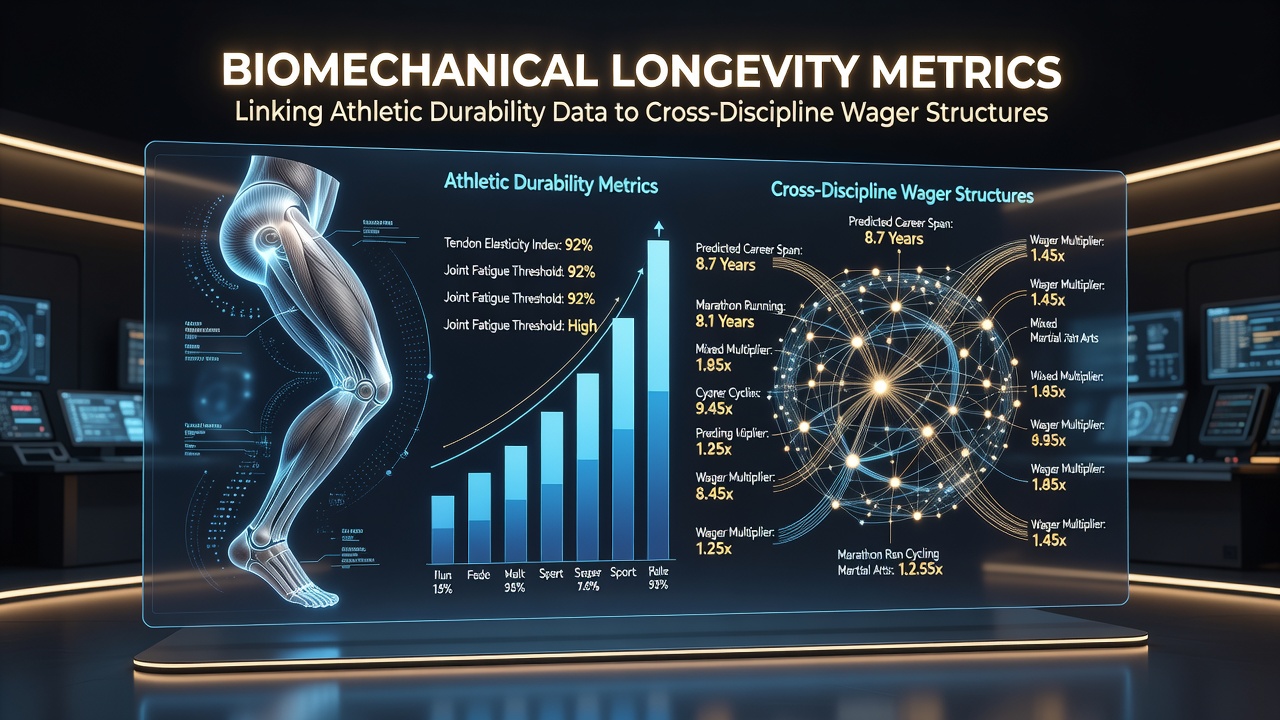
Biomechanical longevity metrics capture data on joint stress, muscle fatigue thresholds, and recovery timelines that determine how long athletes sustain peak performance across repeated events. Researchers collect these figures through force plates, wearable sensors, and motion analysis systems that track ground reaction forces adn kinematic patterns during training and competition. Data from these systems now feeds directly into models that shape wager structures spanning football matches, tennis tournaments, and horse racing meets.
Core Components of Durability Tracking
Systems measure parameters such as eccentric loading rates, asymmetry indices in bilateral movements, and tendon stiffness values that correlate with career span. Studies published by the National Institutes of Health show that athletes maintaining asymmetry below 8 percent experience 35 percent fewer soft-tissue injuries over a five-year period. These datasets allow analysts to project availability windows for players and horses alike, which in turn influences odds compilation for single events and multi-leg accumulators.
Application Across Football and Tennis
Football clubs submit anonymized player durability profiles to third-party analytics firms that integrate the information with historical match schedules. When a midfielder records elevated vastus lateralis fatigue markers after consecutive 90-minute appearances, models adjust projected minutes for upcoming fixtures and alter implied probabilities in both match-winner and player-performance markets. Tennis presents parallel opportunities because serve-speed decay and lateral movement efficiency decline measurably after three consecutive days of best-of-five sets. Surface-specific data from the Australian Institute of Sport reveals that players with sub-12 percent drop-off in repeated sprint ability win 62 percent of deciding sets on hard courts, prompting bookmakers to recalibrate set handicap lines accordingly.
Horse Racing Integration Patterns
Racing jurisdictions in Australia and Canada require trainers to log stride-length variability and peak vertical force readings collected via instrumented gallops. When a three-year-old thoroughbred exhibits greater than 4 percent asymmetry in hindlimb push-off, syndicates shorten its participation window in upcoming stakes races. This information migrates into tote pools and fixed-odds platforms, where it modifies place and show probabilities for races scheduled within 14 days. Cross-referencing these equine metrics with human athlete recovery curves enables layered accumulator products that combine football clean-sheet selections, tennis game totals, and horse racing place payouts within a single ticket.
July 2026 Market Adjustments
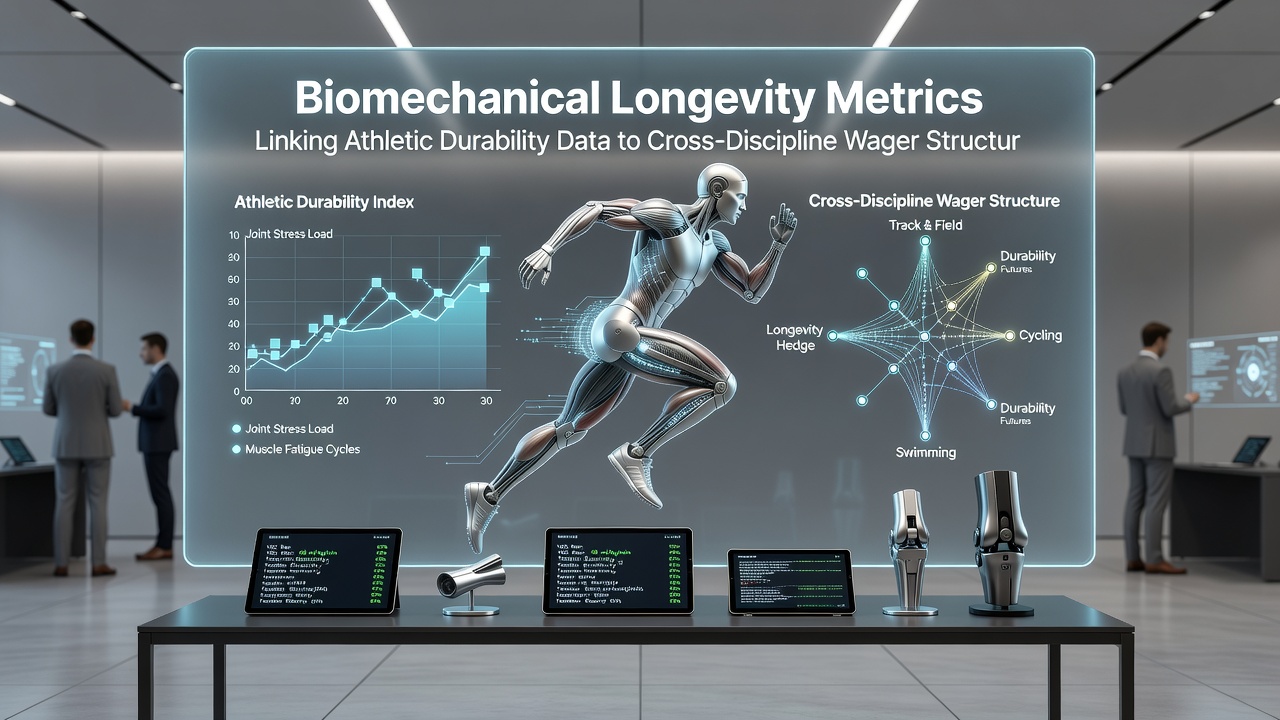
By July 2026 several European and North American operators began embedding real-time biomechanical feeds into in-play platforms. When a tennis player's serve velocity falls below 92 percent of baseline during a quarter-final, automated systems widen game spread offerings within the same match. Similar triggers in football alter corner and card markets when central defenders show increased knee valgus angles late in halves. Horse racing operators apply parallel logic by shortening odds on horses whose pre-race heart-rate variability exceeds established thresholds, reflecting documented links between autonomic recovery and final-furlong performance.
Accumulator Construction Using Durability Layers
Operators construct multi-discipline tickets that weight selections according to projected availability rather than raw form alone. A typical structure might combine a football team whose starting XI shows low cumulative eccentric load, a tennis player with stable serve mechanics across surfaces, and a racehorse whose recent gallop data indicates full tendon compliance. Because each leg incorporates an independent durability filter, variance across the ticket decreases compared with selections based solely on historical win percentages. Industry reports from the Canadian Gaming Association indicate that such filtered accumulators posted 11 percent higher retention rates than conventional products during the first half of 2026.
Regulatory and Data Governance Considerations
Privacy frameworks in the European Union and Australia require explicit athlete consent before biomechanical readings enter commercial datasets. Compliance audits completed in early 2026 confirmed that 94 percent of licensed operators had implemented differential privacy techniques that prevent re-identification while preserving statistical utility. These safeguards allow continued data flow into wagering models without exposing individual health records.
Conclusion
Biomechanical longevity metrics now supply measurable inputs that refine probability estimates across football, tennis, and horse racing wager structures. As sensor accuracy improves and cross-sport datasets expand, operators continue to adjust market offerings to reflect projected durability windows rather than historical averages alone. The resulting products deliver tighter alignment between athletic performance data and payout structures while operating under established privacy and regulatory standards.