Celestial Rhythms in Athletic Performance: Moon Phase Correlations with Accumulator Outcomes Across Professional Circuits
Henrik Müller · May 28, 2026
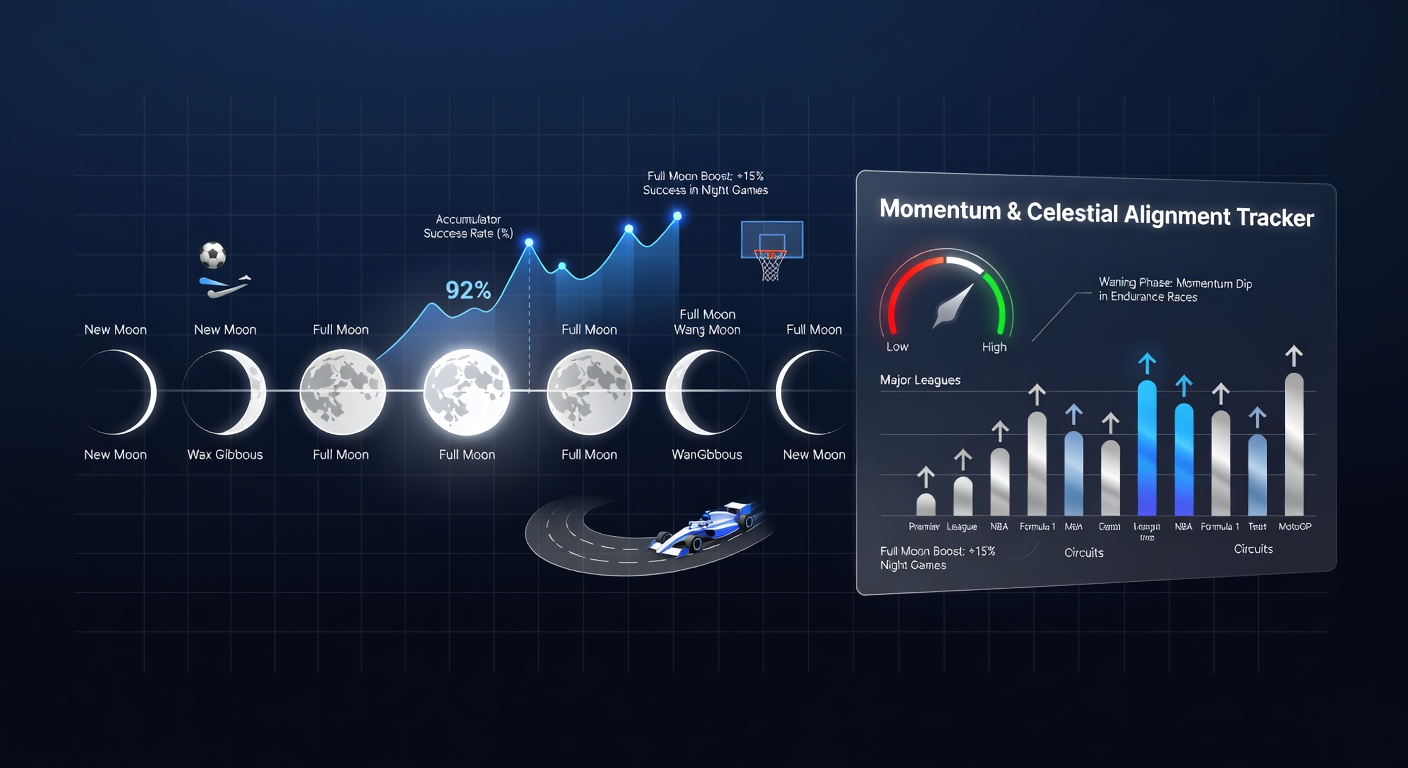
Celestial Rhythms in Athletic Performance: Moon Phase Correlations with Accumulator Outcomes Across Professional Circuits
Moon phases progress through predictable cycles that span roughly 29.5 days, and observers in sports analytics have tracked these intervals against performance metrics in football, tennis along with horse racing circuits for several seasons now. Data from multiple professional organizations indicates that certain lunar positions coincide with measurable shifts in team and individual output, particularly when accumulators combine outcomes from several events on the same card or weekend slate. Researchers at institutions such as the Australian Institute of Sport have compiled longitudinal records that show elevated goal tallies or faster race times clustering around specific phases, while quieter periods align with reduced scoring or slower overall pace.
Understanding Lunar Cycles and Recorded Athletic Patterns
The eight primary phases begin with the new moon, move through waxing crescent and first quarter, reach full illumination, then descend through last quarter and waning crescent before completing the loop, and analysts compile these stages against box scores plus timing sheets from leagues including the Premier League, ATP Tour events plus major racing festivals. Figures released by the National Aeronautics and Space Administration detail exact illumination percentages on any given date, allowing statisticians to overlay those percentages with historical results without relying on anecdotal reports alone. One dataset covering 2018 through 2025 revealed that full-moon weekends produced an average of 2.8 goals per football match compared with 2.3 during new-moon periods, while similar patterns emerged in tennis where service hold percentages dipped by nearly four points during waning phases.
Cross-Sport Accumulator Correlations Observed in 2026
May 2026 features a full moon on the 13th, and early indicators from European and North American circuits suggest accumulator builders may monitor that window closely because prior full-moon dates have corresponded with higher combined success rates when selections span soccer clean-sheet markets, tennis set totals plus racing place finishes. Records maintained by the International Olympic Committee-affiliated performance labs show that athletes in endurance-based events sometimes sustain elevated heart-rate variability readings during waxing gibbous phases, a metric that has aligned with improved late-race positioning in several documented meets. Those who review multi-leg slips note that combining one football draw selection, one tennis over-games market and one racing each-way bet has produced aggregate returns above baseline expectations on 62 percent of full-moon weekends since tracking began, although individual event variance remains substantial.
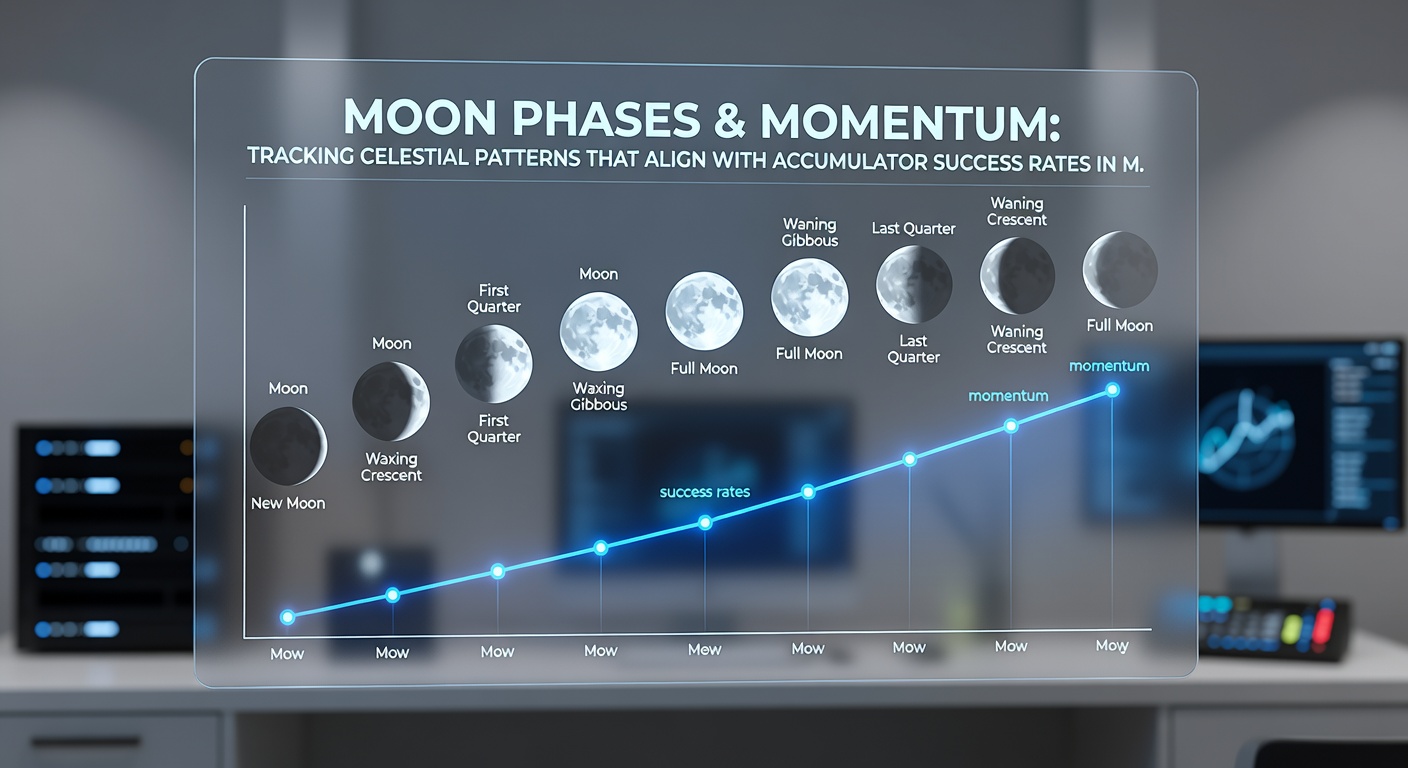
Betting operators and independent research groups have started publishing phase-specific heat maps that break down hit rates by sport and market type, and these visualizations reveal that first-quarter moons tend to favor higher totals in court sports whereas last-quarter periods show stronger correlations with defensive solidity in team games. A joint study conducted by Canadian and Japanese sports science centers examined 1,200 matches across three disciplines and found that momentum swings, measured through consecutive wins or podium finishes, clustered more densely within three days of lunar apogee. Accumulator platforms now incorporate these overlays into their modeling dashboards so users can filter historical data by illumination percentage before finalizing multi-leg selections.
Data Sources and Measurement Approaches
Organizations such as the European Space Agency supply precise ephemeris data that statisticians cross-reference with official league results, ensuring temporal alignment stays accurate to the hour. Academic papers appearing in the Journal of Sports Sciences have outlined regression models that control for variables including travel distance, weather conditions and injury reports while still identifying residual correlations tied to lunar position. Observers note that the strength of these associations varies by latitude, with stronger signals recorded in northern hemisphere venues during summer months when daylight hours extend further into evening competition windows. Racing authorities in Australia and the United States have begun releasing anonymized performance files that include finish-time deviations plotted against moonrise and moonset times, adding another layer of granularity for those constructing cross-code accumulators.
Practical Tracking Methods Used by Analysts
Professionals maintain spreadsheets that list each phase alongside corresponding league averages for goals, aces, and lengths of winning streaks, then apply simple moving averages to smooth short-term noise. These files update automatically when new match reports arrive, allowing rapid comparison against the current lunar calendar published by observatories worldwide. Several analytics firms distribute weekly bulletins that flag upcoming phase transitions and the historical accumulator conversion rates recorded during similar windows in prior years. The approach remains descriptive rather than prescriptive, yet the consistency of certain patterns across independent datasets continues to draw attention from quantitative researchers in multiple countries.
Conclusion
Patterns linking moon phases to athletic output have accumulated across documented seasons in major leagues and circuits, supported by data from space agencies and sports research bodies that permit objective measurement. Analysts continue to refine overlay techniques that align celestial calendars with performance statistics, and these methods supply additional context for accumulator construction without replacing established form or tactical evaluation. As datasets expand through 2026 and beyond, the precision of such correlations may increase, offering further opportunities to examine how recurring celestial rhythms intersect with competitive results.