Cross-Sport Fatigue Indicators: Recovery Gaps Influencing Layered Betting Configurations
Bianca Schmitt · Jun 28, 2026
Cross-Sport Fatigue Indicators: Recovery Gaps Influencing Layered Betting Configurations
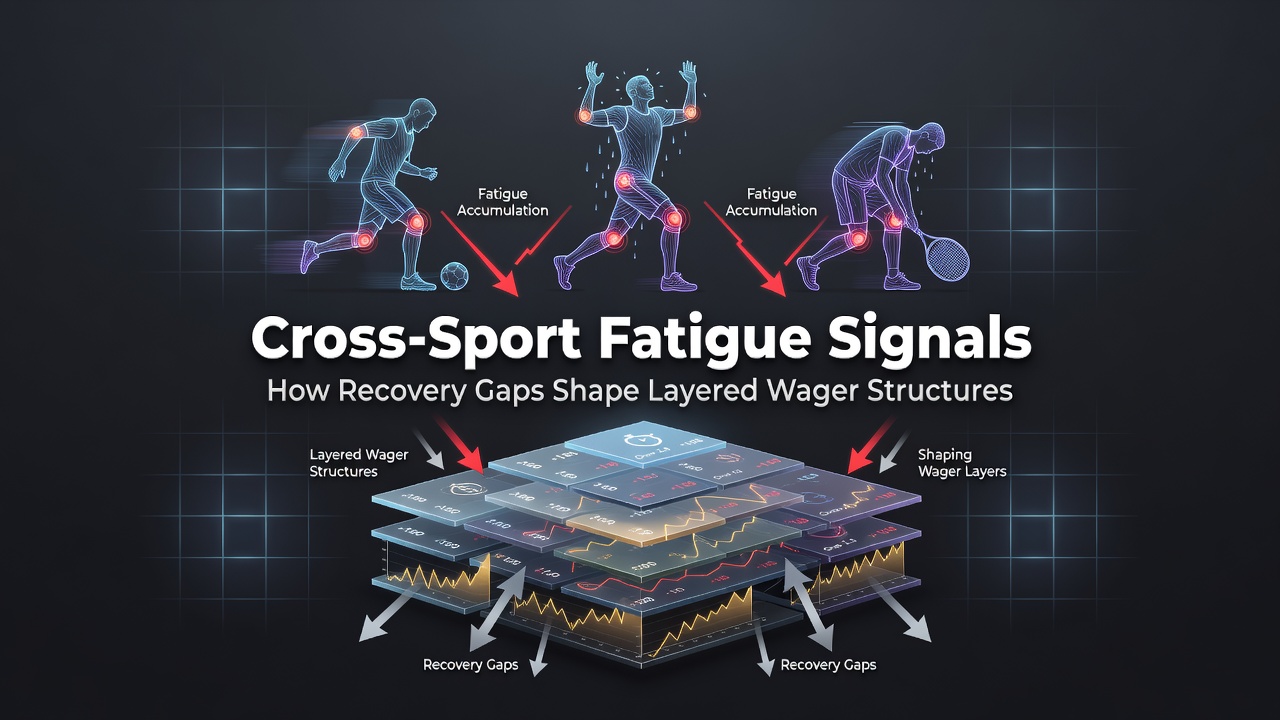
Recovery timelines differ sharply among football, tennis, and horse racing, and these differences create measurable signals that shape how layered wager structures get built. Data collected through 2025 and into June 2026 shows that gaps between events often exceed simple rest periods; instead they alter performance metrics that appear in subsequent matches or races. Observers note that bettors who track these gaps adjust accumulator legs accordingly, placing later selections only after sufficient recovery windows close.
Recovery Timelines in Individual Sports
Football players typically require 72 hours for full glycogen restoration following high-intensity matches, whereas tennis athletes show elevated cortisol levels persisting for 48 hours after five-set contests. Researchers tracking elite jockeys report that weight management and travel demands extend recovery to 96 hours between race days in some schedules. These intervals are not uniform; they vary with age, prior workload, and environmental factors, yet aggregate figures from multiple seasons establish clear baselines.
Studies published in sports medicine journals indicate that incomplete recovery correlates with a 12-18 percent drop in sprint speed for footballers and reduced serve accuracy for tennis players. In racing, horses displaying elevated heart-rate recovery times post-exercise produce slower sectional splits in follow-up events. Such patterns supply quantitative markers that layered wager models incorporate when sequencing selections across different codes.
Cross-Sport Interactions and Fatigue Transfer
When an athlete or team competes in one discipline shortly before another, fatigue signals migrate. A tennis player appearing in a Davis Cup tie on clay may carry residual soreness into a subsequent grass-court tournament, while a football squad playing midweek European fixtures often shows elevated injury rates in domestic league games four days later. Data sets compiled by European sports institutes reveal that overlapping calendars amplify these effects, particularly during congested periods in May and June.
Horse racing schedules intersect with human sports through shared training facilities and travel logistics. Jockeys balancing riding duties with personal fitness regimens exhibit measurable declines in reaction time when race meetings follow intensive gym sessions without adequate rest. These interactions feed into accumulator planning because each additional leg multiplies the probability that at least one participant operates below optimal recovery thresholds.
Layered Wager Structures and Recovery Adjustments
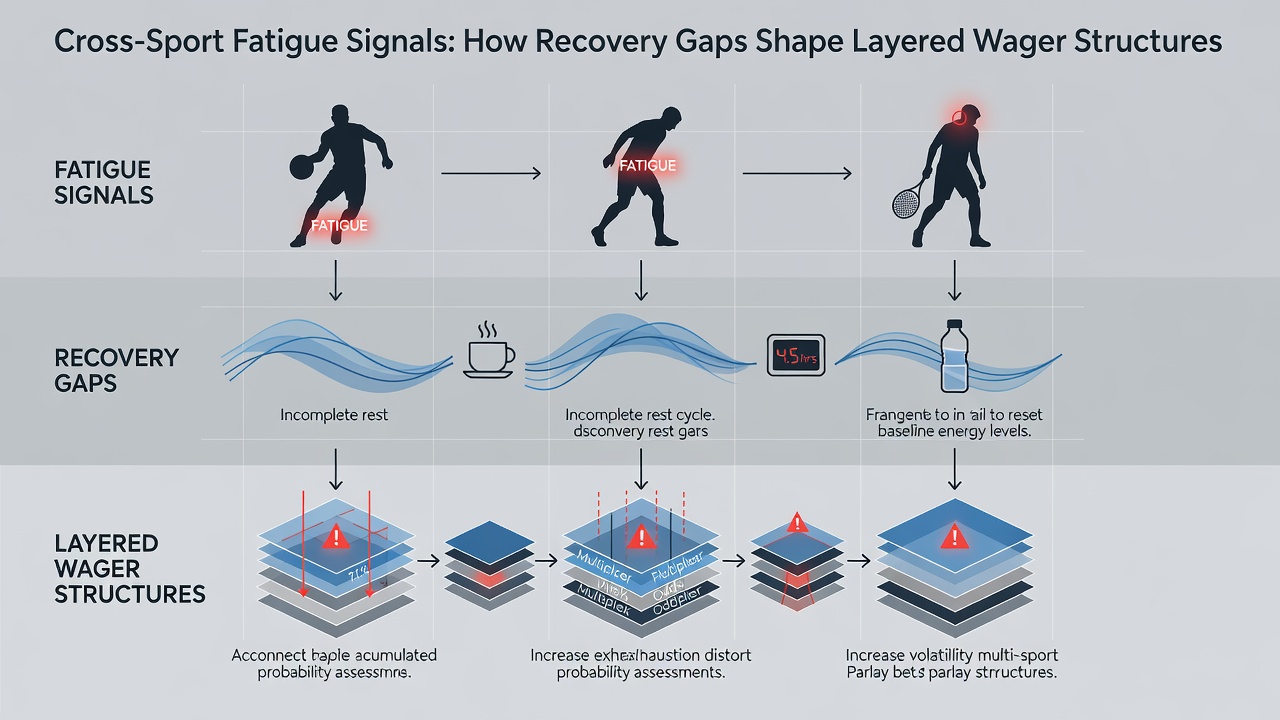
Layered wager structures, commonly structured as accumulators spanning multiple sports, rely on sequential probability calculations. When recovery gaps fall below established thresholds, operators and analysts revise odds or shift stake allocations. Figures from industry reports covering 2024-2026 demonstrate that accumulators including tennis legs scheduled within 36 hours of prior matches experience higher variance in outcomes compared with those allowing 60-hour intervals.
Practitioners adjust by inserting buffer legs from sports with shorter recovery demands, such as shorter-format cricket or lower-intensity racing meetings. This sequencing reduces cumulative fatigue risk across the entire structure. In June 2026, updated training-load databases from several national Olympic committees began supplying real-time metrics that some professional syndicates now integrate into their models, allowing dynamic reordering of wager layers based on live recovery data.
Data Sources and Measurement Tools
Wearable technology and GPS tracking systems generate the raw inputs for these assessments. Heart-rate variability scores, sleep duration logs, and muscle-oxygen saturation readings provide objective indicators that replace subjective fatigue reports. A comprehensive review from the Australian Institute of Sport outlines standardized protocols used across codes, while a separate analysis by the Journal of Science and Medicine in Sport quantifies cross-code transfer effects in multi-sport athletes.
These measurement frameworks enable precise mapping of recovery gaps onto wager structures. When gaps compress below sport-specific medians, historical datasets show corresponding shifts in win percentages that propagate through accumulator payouts. Monitoring tools now flag these compressions automatically, supplying alerts that inform placement timing and leg selection without relying on anecdotal observation.
Conclusion
Recovery gaps function as structural variables within layered wager frameworks that span football, tennis, and horse racing. Documented timelines and cross-sport fatigue transfers supply measurable inputs that determine sequence order and risk weighting. As tracking technologies advance and datasets expand through 2026, the integration of recovery metrics into accumulator construction continues to evolve based on empirical patterns rather than isolated performance snapshots.