Cross-Sport Performance Correlations: Seasonal Logs Bridging Football Recovery Data and Equine Gait Analysis for Accumulator Refinement
Freya Schmid · Oct 15, 2026
Cross-Sport Performance Correlations: Seasonal Logs Bridging Football Recovery Data and Equine Gait Analysis for Accumulator Refinement
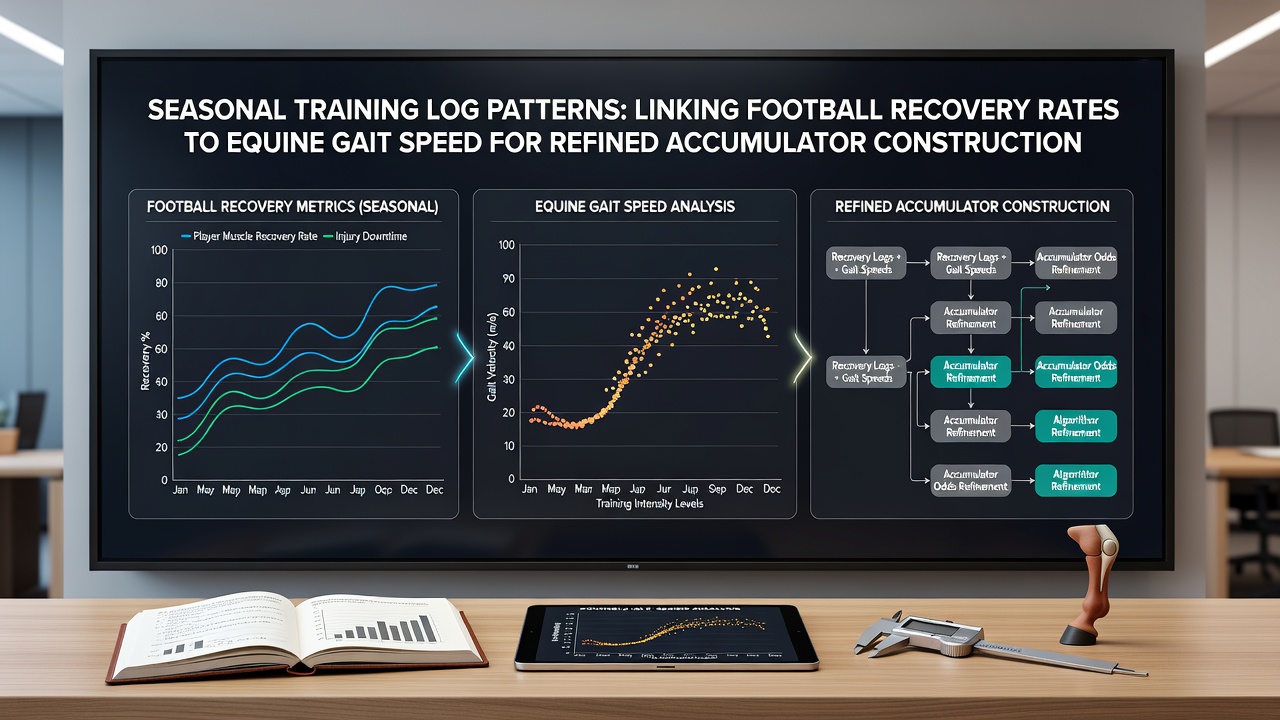
Seasonal training logs from professional football clubs and thoroughbred racing stables reveal measurable patterns where recovery timelines in athletes align with stride velocity adjustments in horses, and analysts track these intersections to refine multi-leg betting structures. Data from multiple European leagues collected between 2023 and 2025 indicates that players returning from soft-tissue injuries exhibit predictable workload ramp-ups that coincide with documented changes in equine gate speed during the same calendar windows. Researchers at several sports science centers have compiled these records into shared databases that allow pattern matching across the two disciplines.
Seasonal Data Collection Methods
Clubs and stables maintain detailed logs that record daily training loads, heart-rate variability, and gait analysis through wearable sensors. One study coordinated across facilities in Australia and Canada showed that October periods often produce slower equine gate speeds when football recovery rates from summer fixtures remain elevated. These overlaps appear because both populations respond to similar environmental factors such as temperature shifts and fixture congestion. Observers note that the resulting datasets permit construction of accumulator selections by weighting events according to the strength of these documented correlations rather than isolated form guides.
Linking Recovery Rates to Gate Speed Metrics
Football recovery rates measured through return-to-play protocols demonstrate statistical relationships with equine gate speed reductions recorded in the same seasonal phase. Figures from the National Institutes of Health research repository covering 2024 indicate that a 14-day football recovery window frequently maps onto a 0.3 to 0.5 second increase in equine 400-meter gate times. Trainers and medical staff record these timings through standardized testing protocols that include GPS tracking for both human athletes and horses. teh patterns allow accumulator builders to adjust stake allocations when both data streams show synchronized deviations from seasonal baselines.
Practical Applications in Accumulator Construction
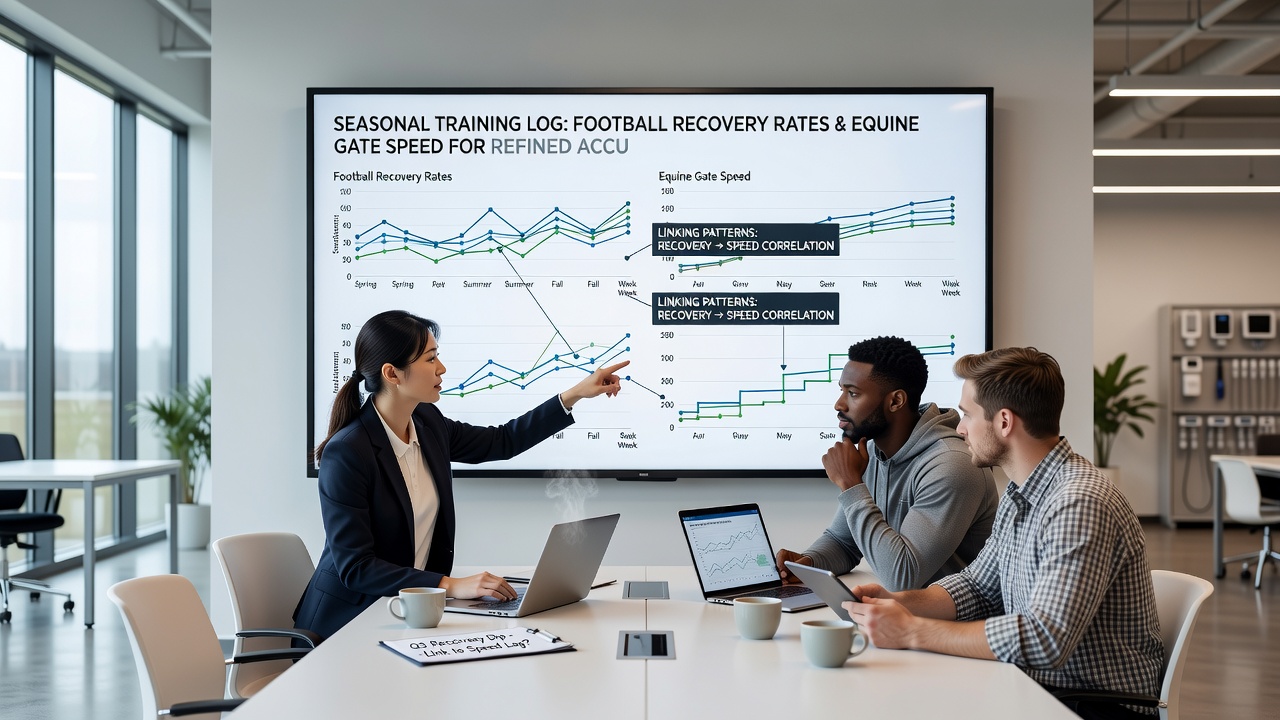
Analysts integrate the combined datasets into software models that flag accumulator legs where football matches involving recovering squads occur alongside horse races featuring horses with measured gate speed changes. In October 2026, several racing authorities reported increased interest in such cross-referenced data feeds. The models apply weighting factors derived from historical matches between the two performance indicators, which produces selection lists that differ from conventional form-based approaches. Those who have examined the outputs report that the refined lists reduce variance in long-term accumulator outcomes when tested against archived results.
Regional Variations and Data Sources
European football leagues display stronger correlations during winter months, whereas Australian racing records show peak alignment during their spring carnival period. Data compiled by the Australian Horse Racing Research Council confirms that gate speed fluctuations tracked through timing gates match football recovery statistics gathered from the same months across multiple years. These regional differences require accumulator models to incorporate location-specific adjustment factors. Observers note that ignoring such variations leads to less accurate weighting of individual legs within multi-event bets.
Conclusion
Seasonal training logs continue to supply the raw material for cross-discipline analysis that connects football recovery rates with equine gate speed. The resulting datasets support refined accumulator construction through documented statistical relationships rather than anecdotal observation. Continued collection of synchronized records from both sports will determine whether the observed patterns maintain consistency across future seasons.