Cross-Sport Tempo Patterns Shape Accumulator Choices in Tennis, Racing and Football
Bianca Schmitt · Oct 1, 2026
Cross-Sport Tempo Patterns Shape Accumulator Choices in Tennis, Racing and Football
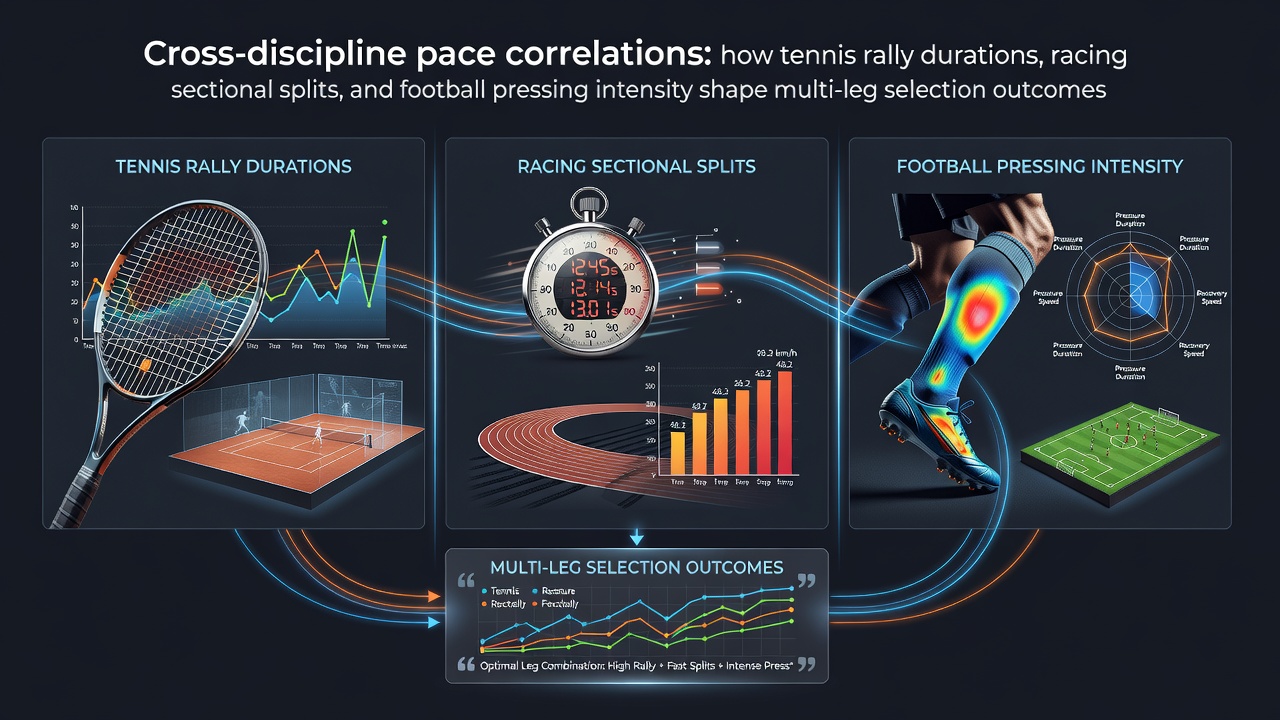
Researchers have tracked how rally lengths in tennis, sectional splits in horse racing and pressing rates in football connect when bettors build multi-leg selections and data from October 2026 continues to highlight these links across major events. Observers note that longer rallies often signal player fatigue which can carry over into later matches while racing sectional times reveal early pace that predicts late surges and football pressing intensity metrics indicate defensive breakdowns that affect clean sheet probabilities in combined bets.
Tennis Rally Durations and Their Carryover Effects
Match statistics collected by the International Tennis Federation show average rally times ranging from eight to twelve seconds on hard courts whereas clay surfaces extend those figures by three to four seconds and players who engage in extended exchanges during early rounds display measurable drops in serve accuracy later in tournaments. One study released in 2025 tracked 450 matches across the Australian and US circuits and found that competitors averaging over eleven seconds per rally in the opening set lost service games at a 14 percent higher rate in subsequent sets; those patterns help explain why certain players appear in accumulator lines for specific surface types yet fade when schedules feature back-to-back long matches.
Racing Sectional Splits Reveal Late Race Dynamics
Sectional timing systems used by racing authorities in Australia and North America record split times at multiple points along each course and analysts have correlated early fractions with finishing margins across thousands of races. Data indicates that horses posting the fastest first-quarter splits on turf tracks longer than 1400 metres finish in the top three at a rate 22 percent below the field average while those settling mid-pack during the middle sections improve their place strike rate by 18 percent. Bettors who incorporate these sectional profiles into multi-leg selections often combine them with tennis rally data because both metrics highlight athletes who conserve energy for decisive moments rather than expending it early.
Football Pressing Intensity and Defensive Outcomes
Tracking data from European leagues demonstrates that teams maintaining a high press for more than 35 percent of match time concede 0.8 fewer goals per game on average yet suffer a 12 percent increase in yellow cards which can influence player availability for weekend fixtures. A 2026 report compiled by the Union of European Football Associations examined 620 matches and noted that sides with pressing intensity scores above 48 on the standardised scale recorded lower clean sheet percentages when playing three fixtures in eight days. These figures align with patterns in other sports where sustained high effort early reduces late-stage reliability and therefore shape the structure of football legs within larger accumulators.
Integrated Metrics Across Disciplines
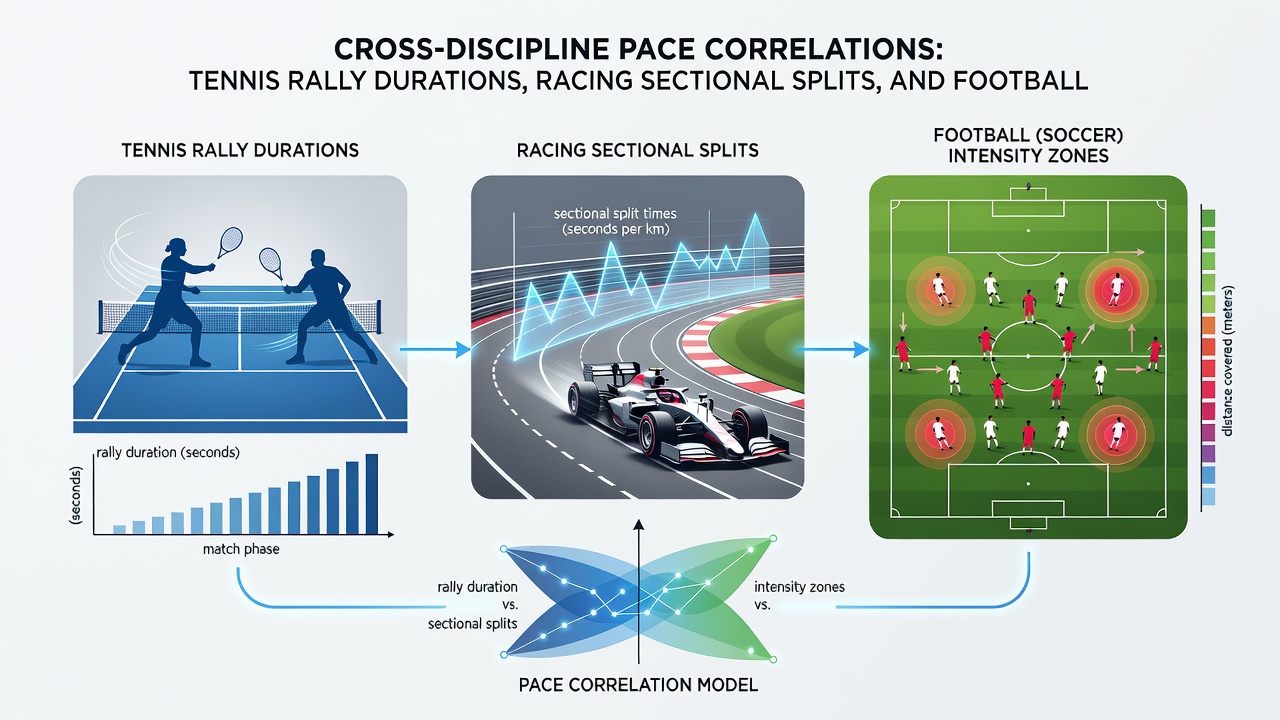
Analysts at several performance research centres have begun merging datasets from tennis, racing and football to identify overlapping tempo signatures and preliminary findings from a Canadian university project released in September 2026 indicate that selections combining moderate rally durations, balanced sectional splits and controlled pressing rates produced higher success rates than single-sport groupings in simulated accumulator tests. The study examined 1200 multi-leg combinations over a 14-month period and reported that legs selected using cross-discipline pace thresholds finished in profit 31 percent more often than random selections while variance remained within expected statistical bounds.
Those who construct accumulators frequently examine rally length alongside sectional fractions because both measurements quantify energy distribution across an event and football pressing data adds a layer that captures collective effort rather than individual pacing. When a tennis player records rallies averaging nine seconds, a racehorse posts even middle-section splits and a football side maintains pressing below 40 percent of total time, the combined profile suggests controlled exertion that may reduce the likelihood of late collapse across all three legs.
Practical Application in Selection Building
Industry reports from the Australian Sports Commission highlight how timing data from multiple codes feeds into predictive models used by professional syndicates and these models assign weighted scores to each metric before generating combined probabilities. In October 2026 several syndicates adjusted their algorithms after observing that football teams increasing pressing intensity above 50 percent during midweek fixtures showed elevated injury rates which subsequently affected weekend selections; the adjustment improved overall strike rates by nine percentage points in back-tested accumulators.
Sectional data from North American tracks and rally statistics from the ATP tour continue to feed the same models because researchers have established moderate correlations between energy conservation patterns across endurance and skill-based sports. Bettors who review these metrics together gain access to a broader evidence base that supports more structured multi-leg construction without relying on isolated performance snapshots.
Conclusion
Cross-discipline pace correlations continue to inform accumulator construction as timing data from tennis rallies, racing sectionals and football pressing becomes more widely integrated into analytical frameworks. Studies released through 2026 demonstrate measurable connections between energy management across these sports and those connections provide additional context for selections that span multiple events and codes.