Gordon Brown's Push for Higher Machine Games Duty Ignites Concerns Across Betting and Racing Sectors
Logan Jenkins · Aug 27, 2026

Gordon Brown's Push for Higher Machine Games Duty Ignites Concerns Across Betting and Racing Sectors
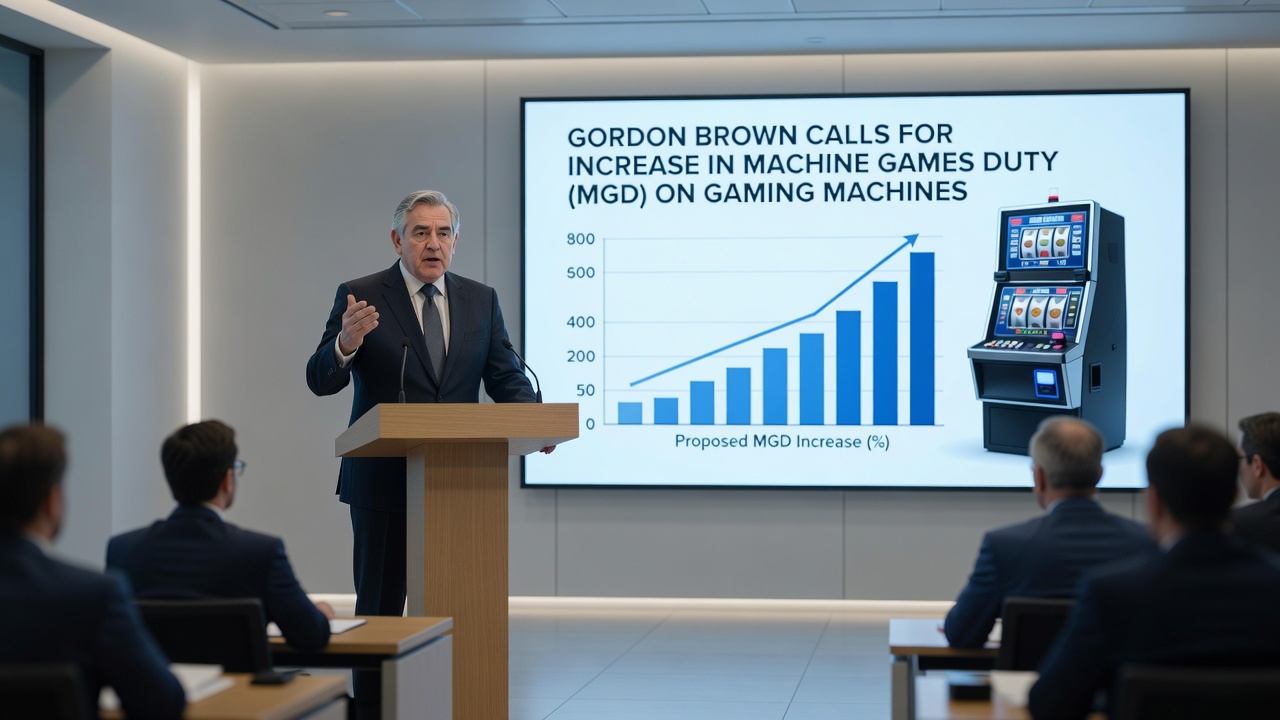
Former Prime Minister Gordon Brown has proposed raising machine games duty on gaming machines located in adult gaming centres and betting shops, a move that could generate as much as £500 million to offset increasing household energy costs. The suggestion focuses on adjusting tax rates for these machines while directing the additional revenue toward energy bill support, and Brown indicated that current Prime Minister Andy Burnham might back comparable steps in the future.
Details of the Proposed Tax Adjustment
The plan targets machine games duty specifically, which applies to gaming devices in licensed venues such as betting shops and adult gaming centres. According to the proposal, an increase in this duty would create substantial funds for energy relief programs without requiring broader tax changes. Observers note that the £500 million figure represents an estimate based on current machine usage levels and revenue patterns across these establishments, and the funds would flow directly into measures addressing household energy expenses during periods of rising costs.
Industry Responses and Warnings Issued
The British Horseracing Authority along with the Betting and Gaming Council have both issued warnings regarding the potential effects of such a tax hike. Representatives from these organizations point out that higher duties could lead to reduced profitability for betting shops, which in turn might trigger closures across the estate and result in job losses for staff employed in those locations. Funding streams that support horse racing through levies and media rights agreements stand at risk as well, since many betting shops contribute to these mechanisms via their operations, and any contraction in the number of active shops would diminish those contributions over time.
Those familiar with the sector explain that betting shops often rely on gaming machines as a key revenue source, and adjustments to machine games duty directly influence their ability to maintain operations while meeting existing financial obligations. The warnings emphasize that the racing industry depends on consistent income from media rights and levy payments, which originate largely from shop-based betting activity, and disruptions here could affect prize money, training facilities, and overall industry stability.
Connections to Broader Policy Discussions
Brown framed the tax increase as a targeted approach that aligns with efforts to ease financial pressures on households, and he referenced potential alignment with Prime Minister Andy Burnham on similar policies. This suggestion places the proposal within ongoing conversations about revenue generation and public support programs, while the industry bodies stress the need to balance such measures against the operational realities faced by betting venues and the racing sector they help sustain.
Data from industry estimates highlight how shop closures could accelerate if duty rates rise significantly, and those estimates tie directly to the number of machines in operation along with their contribution to overall turnover. The British Horseracing Authority has noted that media rights payments and levy collections form critical components of racing's financial structure, and any reduction in betting shop numbers would scale back these inflows accordingly, affecting everything from racecourse maintenance to participant support programs.
Current Context in August 2026
As discussions unfold in August 2026, the proposal arrives amid continued attention to energy affordability and the role of gambling taxation in funding relief efforts. Betting and gaming representatives continue to monitor developments, while the specific impacts on jobs and racing funding remain central to their statements. The focus stays on how an increase in machine games duty might reshape the landscape for adult gaming centres and betting shops without expanding into unrelated regulatory areas.
Potential Pathways Forward
Policy analysts observe that any implementation would require careful calibration to achieve the projected £500 million while minimizing unintended effects on employment and industry contributions. The Betting and Gaming Council has highlighted the interconnected nature of betting shop viability and horse racing support, noting that levies and media rights depend on sustained shop activity across regions. Meanwhile, the British Horseracing Authority continues to track how changes in machine taxation could influence the broader ecosystem that includes trainers, jockeys, and event organizers who rely on consistent funding streams.
Those involved in the sector point out that the proposal does not currently include provisions for alternative revenue sources to offset potential shortfalls, which leaves the warnings from both organizations as key considerations in ongoing evaluations. The link between machine games duty adjustments and energy bill support stands as the primary rationale presented, with the estimated revenue figure serving as the benchmark for assessing feasibility.
Conclusion
The call from Gordon Brown for higher machine games duty on gaming machines in adult gaming centres and betting shops centers on generating up to £500 million for household energy relief, yet it has prompted direct cautions from the British Horseracing Authority and Betting and Gaming Council about consequences for shop numbers, employment, and racing industry funding through levies and media rights. Brown's reference to possible support from Prime Minister Andy Burnham adds another dimension to the discussion, while the core facts of the proposal remain tied to the tax adjustment and its stated purpose. As August 2026 progresses, the exchanges between these parties continue to shape the parameters of any future decisions on this matter.