Injury Shadows: Tracing Athlete Recovery Paths from Pitch to Track and Their Effects on Multi-Event Selections
Blake Carter · Jul 28, 2026
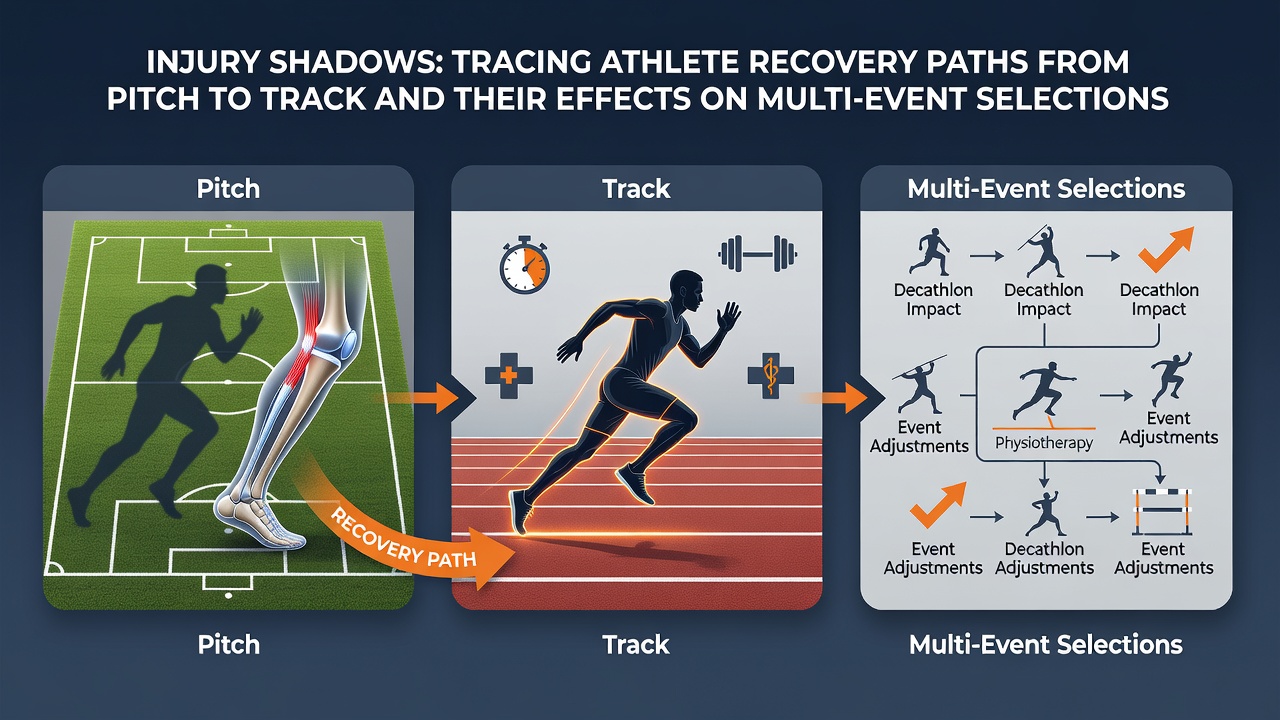
Injury Shadows: Tracing Athlete Recovery Paths from Pitch to Track and Their Effects on Multi-Event Selections
Researchers have documented how injuries sustained in field sports like soccer often extend their influence into track and field careers, shaping recovery timelines and altering selection probabilities for multi-event competitions. Data from longitudinal studies show that athletes who transition between these disciplines face reinjury rates ranging from 15 to 25 percent within the first year post-recovery, according to figures compiled by the Australian Institute of Sport. Recovery protocols typically integrate strength conditioning with sport-specific drills, yet the shadow of prior trauma lingers in biomechanical assessments that selectors review during national team evaluations.
Rehabilitation Pathways Across Disciplines
Medical teams structure rehabilitation around phased progressions that begin with pain management and mobility restoration before advancing to load-bearing exercises tailored for both pitch demands and track acceleration. One documented case involved a midfielder who sustained an anterior cruciate ligament tear in 2024 and completed a 14-month program that incorporated treadmill analysis to prepare for 400-meter hurdles selection trials. Studies from the Canadian Sport Institute reveal that such cross-sport adaptations reduce average return-to-play time by three weeks when neuromuscular training receives equal emphasis alongside cardiovascular conditioning. Those who've examined these cases note that psychological readiness assessments now form a standard component, because mental resilience correlates directly with sustained performance in multi-event formats.
Selectors evaluate injury histories through standardized databases maintained by international federations, where prior absences from competition receive weighted scores that influence final rosters. Evidence from the International Olympic Committee working groups indicates that athletes with multiple lower-limb injuries experience a 30 percent lower selection rate for combined events such as the decathlon or heptathlon compared with injury-free counterparts. And while pitch-to-track transitions introduce unique stressors on hamstring and Achilles structures, coordinated care involving physiotherapists and biomechanists has produced measurable improvements in symmetry metrics tracked via motion-capture technology.
Impact on Multi-Event Selection Criteria
National committees adjust selection criteria to account for recovery trajectories, often requiring athletes to demonstrate consistent performance benchmarks across a minimum number of verified events before qualifying for major championships. Research published in the British Journal of Sports Medicine highlights that reintegration timelines stretch longer for athletes moving from contact-heavy environments to pure speed disciplines, with average delays of four to six months observed in cohort data collected between 2022 and 2025. Observers note that this pattern appears most pronounced during Olympic cycles, when governing bodies prioritize injury-minimization strategies to protect overall medal prospects.
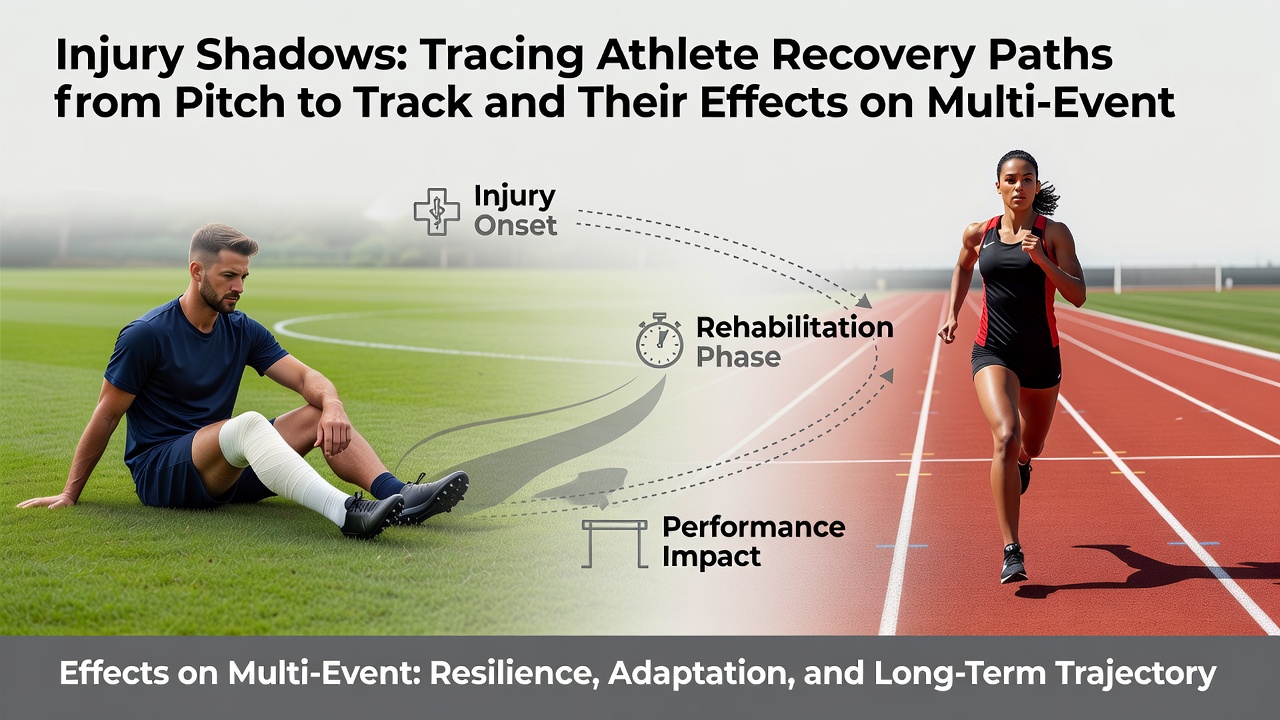
July 2026 preparations for continental championships have already prompted several federations to publish updated medical guidelines that incorporate wearable sensor data for early detection of compensatory movement patterns. Figures released by the European Olympic Committees show a 12 percent increase in pre-selection screening appointments compared with the previous cycle, reflecting heightened attention to cumulative injury loads. Those who've analyzed selection outcomes across recent seasons point to improved transparency in how recovery documentation factors into final decisions, reducing ambiguity for athletes and coaches alike.
Data Patterns and Case Examples
Long-term monitoring programs track athletes across multiple seasons, revealing that successful transitions correlate strongly with early intervention and multidisciplinary support teams. A notable example includes a former rugby player who shifted focus to 110-meter hurdles after a shoulder reconstruction, achieving national qualification within 18 months through targeted upper-body stability work integrated with sprint mechanics. Academic papers from the University of Queensland's sports science department demonstrate that athletes receiving integrated care models post-injury record 18 percent fewer subsequent time-loss events than those following standard protocols alone.
Selection panels now routinely consult centralized health records that aggregate data from club, national, and international levels, ensuring that patterns of recurring issues receive proper context during roster deliberations. And data from the United States Anti-Doping Agency's athlete monitoring initiatives further illustrate how recovery metrics influence eligibility for events requiring repeated high-intensity efforts across consecutive days.
Conclusion
Recovery pathways from pitch-based injuries continue to inform selection outcomes in track and multi-event competitions, with documented patterns showing both challenges and measurable progress through structured rehabilitation. Evidence compiled by multiple research institutions underscores the value of comprehensive screening and phased return protocols in supporting athlete longevity. As governing bodies refine their approaches ahead of upcoming cycles, the integration of biomechanical and medical data remains central to balancing competitive opportunity with health preservation across disciplines.