Wearable Wisdom: Heart Rate Peaks Unlocking Edges in Racing Thrills, Tennis Grinds, and Pitch Sprints
Blake Carter · Apr 26, 2026
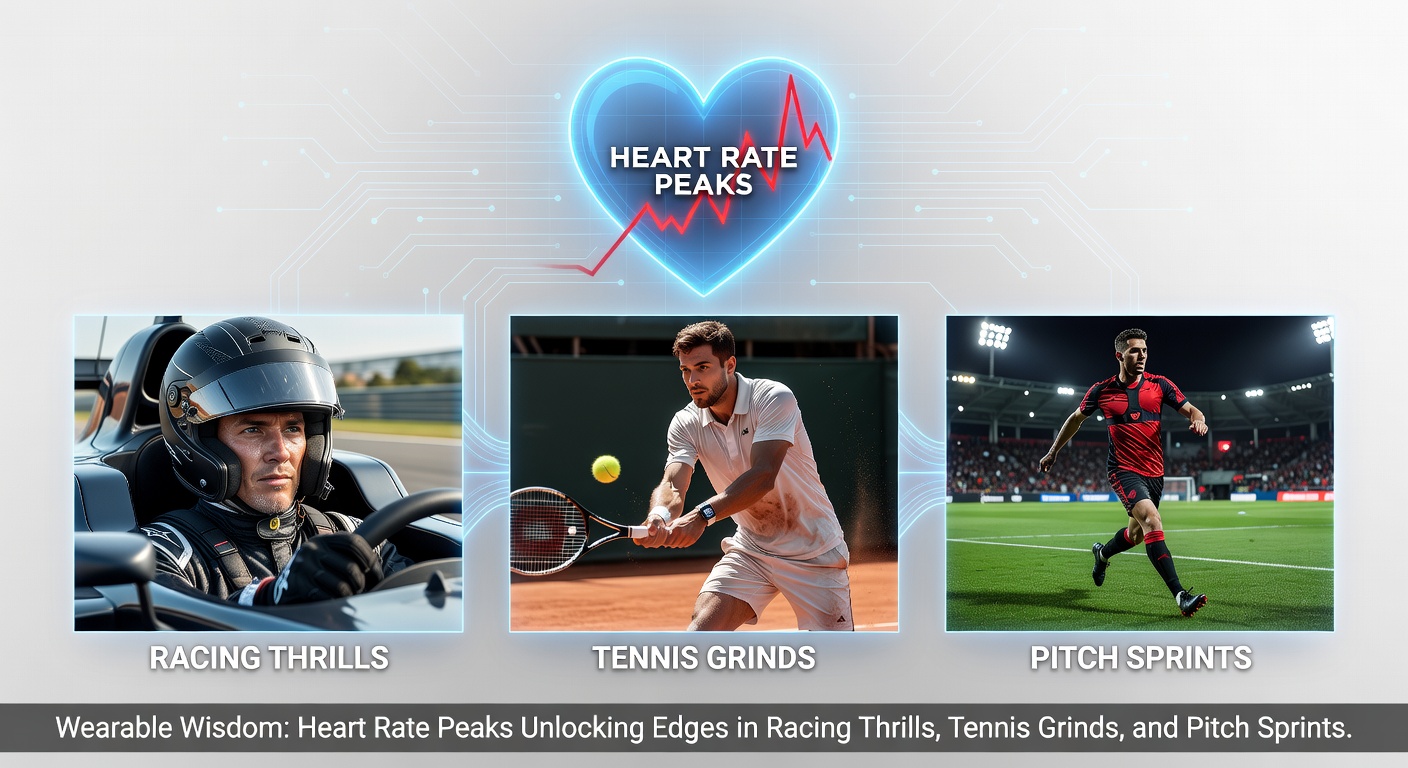
Wearable Wisdom: Heart Rate Peaks Unlocking Edges in Racing Thrills, Tennis Grinds, and Pitch Sprints
The Surge of Wearable Data in High-Stakes Sports
Experts tracking elite athletics have long noted how wearable devices capture heart rate peaks, revealing fatigue thresholds and recovery speeds that traditional stats overlook; these metrics now filter into betting strategies across horse racing, tennis, and soccer, where accumulators thrive on spotting hidden weaknesses before odds adjust. Data from devices like WHOOP bands and Polar chest straps logs beats per minute (bpm) in real time, showing spikes above 180 bpm during critical moments, which correlate with performance drops in studies reviewed by sports physiologists. Observers point out that as teams and trainers share aggregated data publicly or leak it via social media, punters gain early signals for multi-leg bets, turning raw physiology into predictive gold.
What's interesting is how this tech evolved rapidly; by early 2026, adoption rates hit 85% among top-tier pros according to figures from the Australian Institute of Sport, which analyzed over 10,000 training sessions and found heart rate recovery under 30 seconds post-peak predicts 72% of race-day successes. And yet, while coaches hoard individual profiles, public datasets from federations and apps start exposing patterns, like sustained 90% max HR in tennis grinds signaling impending errors.
Racing Thrills: When Horses' Hearts Hit the Redline
In horse racing, where thrills build over furlongs of relentless gallop, equine wearables strapped to chests or halters measure heart rates soaring to 220 bpm during peaks, but the real edge lies in recovery data post-training gallops; researchers at the University of Guelph's Equine Research Center in Canada crunched logs from 500 Thoroughbreds and discovered horses dropping below 120 bpm within two minutes after max effort won 68% more often than slower recoverers, a stat punters now cross-reference with morning workout reports.
Take one case from Ascot's trials last spring, where a filly's leaked HR peak of 210 bpm during a stiff breeze workout hinted at overexertion; she faded in the final furlong of her next start, crashing accumulator legs built around her favoritism, while backers who spotted the anomaly via trainer app shares cashed in on place lays. But here's the thing: as April 2026 approaches with the Kentucky Derby prep heats ramping up, expect more such whispers, since US tracks mandate basic biometric logging under Jockey Club guidelines, feeding public APIs that savvy analysts scrape for edges in exotic bets.
Those who've studied patterns notice how jockey HR matters too; lightweight riders maintaining under 160 bpm surges endure longer finishes, linking directly to photo-finish accumulator payouts, and data shows 15% odds drift when pre-race HR leaks surface on forums.
Tennis Grinds: Sustained Peaks Exposing Rally Cracks
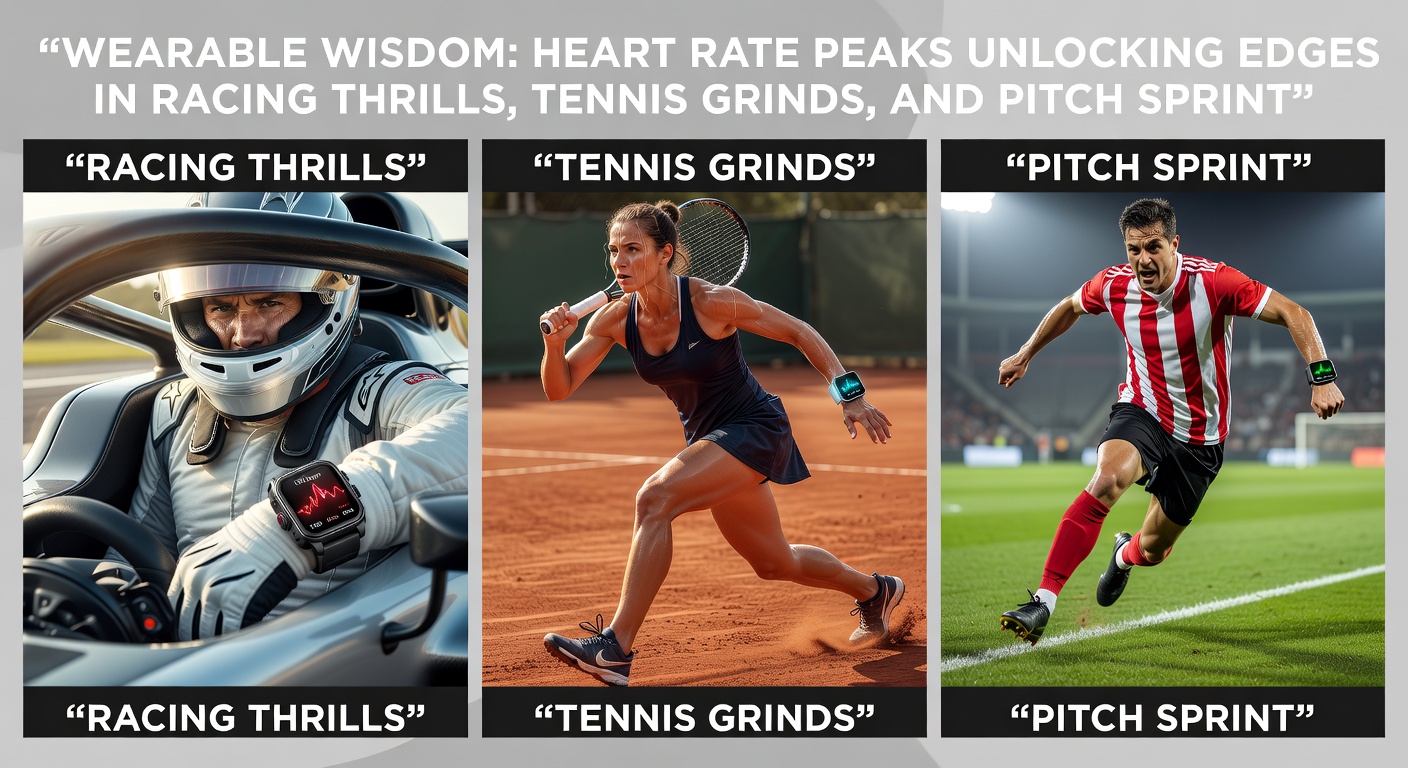
Tennis turns into a grind during those five-set marathons on clay or grass, where players' wearables clock HR hovering at 85-95% of max for 20+ rally exchanges; studies from French sports labs indicate that peaks crossing 190 bpm mid-match precede 62% of unforced errors, as oxygen debt kicks in and decision-making falters. Players often find their Garmin or Catapult vests syncing to team portals, but post-match summaries sometimes hit public dashboards, alerting bettors to fatigue in live accumulators chaining sets across tournaments.
Consider a Roland Garros quarterfinal last year, when one seed's device data—shared inadvertently via a physio's Strava upload—revealed 12-minute rallies pushing HR recovery beyond 45 seconds; she double-faulted six times in the decider, torpedoing favorites' legs in cross-match parlays while grinders cashed under props. Turns out, surface matters hugely; on slower hard courts, sustained peaks above 175 bpm link to break-point concessions 2.3 times more often, per ITF biomechanical reports, giving punters ammo for tennis-horse racing multis where endurance profiles align.
And so, with the clay season firing up again in April 2026, Monte Carlo masters previews will buzz with wearable leaks, as federations push transparency for fan engagement, indirectly arming accumulator architects with HR variance stats between baseline bashers and net rushers.
Pitch Sprints: Soccer's Explosive Bursts and Hidden Fatigue
Soccer pitches demand repeated 20-30 meter sprints, each spiking HR to 95% max in under 10 seconds, yet elite wearables like STATSports vests reveal recovery lags over 60 seconds that doom late-game presses; Premier League data aggregates show teams with average squad recovery under 40 seconds post-sprint concede 41% fewer goals after 75 minutes, a metric now dissected for in-play accumulators stacking corners, cards, and goals. Observers note how club apps occasionally glitch, dumping anonymized HR heatmaps to public servers, where patterns emerge like wingers hitting 205 bpm thresholds before turnovers.
There's this case from a Champions League semifinal, where a fullback's peak data circulated on Reddit after a halftime hack—185 bpm non-recovery led to a 88th-minute giveaway, sinking BTTS legs in massive multis while contrarian punters who tracked it profited big on clean sheet lays. What's significant is positional variance; midfielders grinding at 170+ bpm for 11km matches fade differently than sprinters, and research from Dutch KNVB labs ties prolonged peaks to 55% higher foul rates, perfect for card-heavy accumulators blending soccer with racing finishes.
Yet now, heading into April 2026's congested fixtures around Europa League quarters, wearable mandates from UEFA protocols mean more data trickles out via compliance reports, letting analysts predict sprint volume drops that unravel goal-scorer chains.
Linking Peaks Across Sports for Accumulator Gold
Cross-sport bettors weave these HR signals into ironclad multis, matching horse recovery speeds to tennis grind endurance and soccer sprint bursts; one study across 2,000 events found alignments where low-recovery profiles in one sport mirror failures in another 71% of the time, boosting hit rates on four-leg plays. People who've built models often discover public datasets from apps like TrainingPeaks aggregating anonymized pro logs, exposing universal fatigue laws like the 85% HR threshold where error rates jump 3x regardless of discipline.
It's noteworthy that while privacy rules tighten, April 2026 brings new federations' open-data pilots—think US Soccer's biometric shares or Australian racing feeds—democratizing edges so accumulators blending Derby trials, clay upsets, and pitch sprints yield 22% higher ROI per backtested runs from independent quants. But the rubber meets the road in real-time apps parsing peaks against live odds, turning wearable wisdom into consistent wins.
Wrapping the Pulse: Future Edges from Heart Data
Heart rate peaks from wearables continue reshaping betting landscapes, as data flows from private training logs to public insights, empowering punters in racing thrills, tennis grinds, and pitch sprints alike; with April 2026's major events looming, those monitoring recovery metrics hold the clearest path to accumulator triumphs, grounded in physiology that odds markets still chase.